
 EN
EN

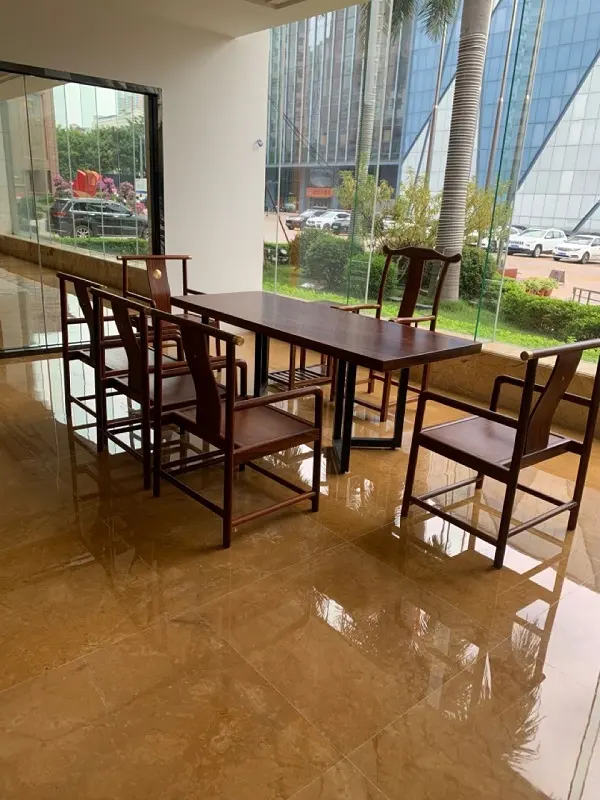
Outdoor projects often raise a simple question: can natural stone survive the elements? The short answer is yes, but success depends on material selection and detailing. Specifying marble flooring tiles for a walkway means balancing beauty against moisture, frost, and foot traffic. This opening section sets the practical context before the technical risks are examined.
Understanding Outdoor Performance Limits
What Makes Marble Respond to Weather
Marble flooring tiles are a calcite-based natural stone, and calcite reacts to its surroundings in ways that matter outdoors. The crystal structure is dense yet vulnerable to acid, and the material holds internal micro-pores that trap water. When temperature swings push that trapped moisture to expand and contract, stress builds inside the slab. Understanding this behavior explains why some installations thrive for decades while others spall within a few seasons.
Freeze-Thaw Cycling and Water Absorption
For marble flooring tiles, water absorption is the single most important number in cold climates. ASTM C97 measures how much liquid a sample draws, and high-absorption marble invites trouble once winter arrives. During freeze-thaw cycling, water inside the stone freezes, expands by roughly nine percent, and forces cracks from within. ASTM C666 subjects specimens to repeated freezing and thawing to predict field durability. Choosing a low-absorption variety and sealing the surface reduces the risk of frost damage dramatically.
Beyond the laboratory, real gardens show the same pattern. Marble rated above a certain absorption level should be avoided north of moderate climates. Sealers slow liquid entry but cannot stop capillary draw completely, so the stone's own density remains the first line of defense. A combined strategy—dense material, quality impregnator, and fast drainage—keeps the freeze-thaw cycle from doing structural harm.
Slip Resistance and the Right Finish
For marble flooring tiles used outdoors, slip resistance comes before surface shine. ANSI A326.3 defines the Dynamic Coefficient of Friction (DCOF) test, while ANSI A137.1 sets the threshold that tile products should meet for level interior and exterior surfaces. A polished marble can read as slick when rain lands on it, so outdoor use shifts the priority toward texture. The next section explains why the chosen finish influences both grip and long-term appearance.
Testing should happen on the actual finished surface, not on a polished sample from a different lot. DCOF values drop once a film of water sits on the stone, which is exactly the condition a walkway faces after rain. Specifiers therefore request the manufacturer's published slip resistance data for the chosen finish and confirm it against the intended use, especially on ramps and entry steps.
Choosing the Correct Finish for Walkways
Flamed Finish for Maximum Grip
A flamed finish is produced by applying intense heat that causes the stone surface to fracture slightly, leaving a rough, tactile plane. That texture raises the DCOF and keeps feet steady even after a storm. For pool decks and primary garden paths, flamed natural stone is a dependable choice because the open grain sheds water instead of film-forming it. Specifiers favor this treatment where barefoot traffic or steep gradients increase the slip hazard.
Honed Surfaces in Sheltered Areas
A honed surface is ground to a flat, matte sheen without the mirror gloss of polish. It offers moderate slip resistance and works well under covered porches or courtyard margins that stay dry. The honed look preserves the marble's veining, which many designers prefer for a refined aesthetic. Still, any honed plane needs a penetrating sealer and routine upkeep, because a matte face can still darken and hold grime if drainage is poor.
Substrate, Drainage and Climate Planning
Building a Stable Substrate
Marble flooring tiles need a base built below the stone. The substrate must be compacted, sloped, and free of organic material that can settle later. A full-bed mortar or a raised pedestal system supports the slab evenly and avoids hollow spots where water collects. Abrasion from grit and shoes wears the top face over years, so the base has to stay put while the walking surface flexes under load. Good bedding prevents the micro-movement that cracks grout and edges.
Maintenance also protects the investment. Sweeping grit away prevents surface Abrasion that slowly dulls the texture and lowers the effective DCOF. A neutral cleaner removes organic film without attacking the stone, and annual inspection of joints catches early movement before it widens.
Drainage Design for Longevity
Drainage decides whether an installation ages gracefully or fails early. Standing water accelerates staining, encourages moss, and feeds freeze-thaw damage where winters are harsh. A walkway should slope at least one-quarter inch per foot toward a designated drain or planted bed. Channel drains, permeable joints, and proper grading keep the surface dry between rains. Pairing sound drainage with a suitable finish is what turns a decorative path into a lasting landscape feature.
A Practical Scenario — Temperate vs Cold Courtyard
Lessons From a Garden Walkway Project
Consider a private villa courtyard planned with a marble walkway. In a temperate coastal region, a honed, low-absorption marble performed well for years with seasonal sealing and clear drainage. The same material in a cold inland region failed within three winters: trapped water froze, expanded, and flaked the edges despite the attractive look. The fix moved the spec to a flamed finish with a frost-rated, fully drained bed. The contrast shows why climate, not just style, drives the right stone decision for outdoor use.
In summary, marble flooring tiles can decorate outdoor walkways when the climate, finish, and base details align. Low water absorption, a flamed or honed face matched to the setting, sound slip resistance, and reliable drainage together separate a path that lasts from one that spalls. Procurement teams should weigh ASTM and ANSI references, confirm the freeze-thaw rating for cold sites, and plan the substrate before ordering stone.
Frequently Asked Questions
Question
Which finish suits marble walkways exposed to rain?
Answer: A flamed or appropriately textured honed face performs better on wet ground than a polished plane. ANSI A326.3 measures the Dynamic Coefficient of Friction, and a higher DCOF means steadier footing after rain. Flamed surfaces suit open paths and pool edges, while honed finishes fit covered courtyards. Pair the chosen texture with a penetrating sealer and clear drainage so the grip stays consistent through the seasons.
Question
Can marble handle freeze-thaw climates?
Answer: Marble survives freeze-thaw cycling only when water absorption stays low and drainage is reliable. ASTM C666 tests repeated freezing and thawing to predict field performance. In cold regions, choose a dense, low-absorption variety, apply a quality impregnator, and build a fully drained bed so moisture never pools. Without those controls, trapped water expands on freezing and flakes the slab edges within a few winters.
Question
How should the substrate be prepared?
Answer: Marble flooring tiles require a stable, well-compacted substrate that will not shift under load. Use a full-bed mortar or a raised pedestal system to support each slab evenly and avoid hollow spots where water collects. The base must be sloped for drainage and free of organic matter that settles later. Good bedding prevents the micro-movement that cracks grout and edges, protecting the whole walkway.
Question
Do marble walkways need sealing?
Answer: Yes, a penetrating sealer slows liquid entry and reduces staining on outdoor marble. Reapply on a seasonal schedule based on climate and foot traffic, since no impregnator blocks capillary draw completely. Clean with a neutral product and avoid acidic solutions that etch calcite. Regular sweeping removes grit that causes surface abrasion and lowers the effective DCOF over time.
Question
Where should outdoor marble be avoided?
Answer: Skip polished marble on steep, unsheltered, or consistently wet slopes where slip risk stays high. Avoid high-absorption varieties in regions with hard winters unless drainage and frost-rated bedding are engineered. Very heavy vehicle areas also strain a natural-stone walking surface. For those conditions, a flamed finish with proper substrate planning remains the safer route than a smooth, reflective plane.