
 EN

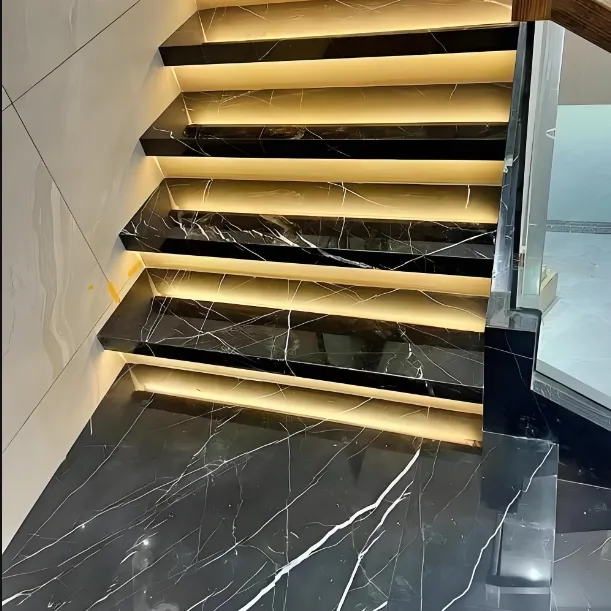
Natural stone is a quarried material with inherent variation. On a single villa, a few shade differences pass unnoticed. On a tower or a campus, the same variation becomes a visible defect. Marble tile supplied across months must keep one continuous appearance, or the completed marble tile floors and walls read as patched and uneven.
Why Consistency Is The Real Risk On Large Builds
Color Drift Between Production Batches
A marble tile cut from a fresh block can show a slightly different base tone than one cut months earlier. Quarry veins move, mineral concentration shifts, and polishing compounds leave different reflections. When deliveries arrive in phases, unmanaged marble tile batches drift apart. The remedy is disciplined sorting before shipping, not richer stone.
Stone also changes with depth in the quarry face. A tone correct on top slabs may sit two shades warmer deeper down. Project managers who ignore this blend incompatible lots on one floor. Predictable results come from measuring, not assuming.
The Hidden Cost Of Rework And Delay
Replacing rejected tiles after installation is expensive. Adhesive cure, grout removal, and re-laying cost far more than the material. Worse, a stopped fit-out line delays the whole schedule and handover. Consistency set at the factory removes most downstream risk before it reaches the site.
A mismatched shipment can force a designer to re-specify adjacent materials, rippling into cabinetry, lighting, and baseboards. Those changes are hard to price early. Controlling quality upstream protects the budget more than chasing a lower unit price.
How Batch And Lot Control Keeps Tone Uniform
Specifying marble tile for a multi-floor program differs from filling one room. The method combines origin tracking, visual grading, and documented inspection so every carton matches an approved reference rather than a hope.
A/B/C Color Sorting In Practice
Skilled graders split output into A (closest to the master sample), B (minor offset), and C (noticeable offset) bands. For one building, only A and B ship, and cartons carry the band mark. This keeps tone within a tight tolerance across thousands of pieces. Reserve C for separate, defined areas if used at all.
When material leaves the factory in graded bands, installers receive a predictable sequence instead of a mixed pile. Sorting also respects the natural direction of veining, so tiles from one block face keep their flow when laid in order. Grading runs under daylight-spectrum lighting so the eye is not fooled by showroom LEDs.
Piece-By-Piece QC And Traceability
Documented marble tile inspection begins with a QC clerk who checks dimension, flatness, edge finish, and surface defects against the approved sample. Records link carton, band, block, and production date, building block-to-container traceability. Under ISO 9001, these checks are standardized and auditable, so a later claim traces to its source.
ASTM C97 absorption and ASTM C1028 slip measurements feed the same record set, confirming physical performance alongside appearance. Container loading is then supervised so correct bands pack in the right sequence for phased delivery. Nothing leaves the factory unlogged.
A Multi-Floor Commercial Case Study
Background And The Problem Faced
A multi-floor commercial building planned marble flooring and wall cladding across lobbies, corridors, and shared floors. The owner released the fit-out in phases tied to leasing, so stone arrived in several shipments over roughly a year. Early samples matched, but the first two deliveries already showed slight tone differences under the building's lighting.
The contractor worried later floors would not connect visually with earlier ones, creating a patchwork effect tenants would notice. With long corridors running floor to floor, even a small shift in base tone would telegraph across the volume. The project needed a system, not a one-time match.
Lot-Sorting Solution And Result
The supplier applied A/B/C band sorting and held a single master reference sample for the full program. Every delivery was graded against that reference, and only matching bands were released. Cartons were sequenced so each floor received a continuous run, and container loading was supervised to preserve order across shipments.
Across the year of phased deliveries, the marble tile stayed visually continuous from the ground floor upward. No floor had to be re-laid for color reasons, and the handover stayed on schedule. The case shows consistency comes from process control, not from hoping quarried stone behaves like a uniform synthetic product.
Procurement, Inspection And Care Advice
What To Specify And How To Accept
Buyers specifying the tile should lock the color band and tolerance into the purchase order, and request a sealed master sample kept by both parties. Ask for block-to-container traceability and a QC report per batch referencing ISO 9001. On arrival, open cartons from different pallets and view them under the site's actual lighting before broad installation begins.
Also confirm the finish type and slip rating for wet zones, checking ANSI A137.1 where applicable. Specify that adjacent floors draw from the same band sequence so later phases connect cleanly. Clear written acceptance criteria prevent disputes when natural variation appears at the edges of the approved range.
Storage And Maintenance
Store tiles flat, off the ground, and away from direct sun and moisture until set. During service, the stone stays uniform with pH-neutral cleaning and planned resealing of honed surfaces to protect against staining. Good care keeps the factory-delivered appearance intact for the building's working life.
Regular inspection of grout lines and entrance mats reduces abrasive wear at exposed points. A maintenance log tied to the original lot records helps facilities teams reorder matching stone years later, when only the same band source can extend a floor without a visible seam.
Stable quality for large-scale stonework is less about the raw material and more about the system behind it. Disciplined lot control, A/B/C grading, and ISO 9001 documented inspection turn quarried variation into a predictable supply. With clear purchase specs, on-site acceptance under real lighting, and basic care, marble tile delivers the uniform, continuous appearance that multi-phase commercial projects demand.
Frequently Asked Questions
Question
What defines a consistent color lot in natural stone supply?
Answer: A consistent lot groups pieces sharing one base tone, veining direction, and finish within an agreed tolerance. Graders compare each carton to a sealed master sample under daylight-spectrum light, then mark the band. Only matching bands ship to one project. This discipline prevents the patched, uneven look that appears when unmanaged batches from different blocks meet on the same floor.
Question
Why does phased delivery increase color-match risk?
Answer: Stone is quarried in finite blocks, and tone shifts as the quarry face advances. When a project receives material months apart, later batches come from different extraction points than the first. Without a held master reference and band sorting, those later deliveries can drift from the original floor. Continuous comparison against one sealed sample keeps every phase visually linked.
Question
How is block-to-container traceability recorded?
Answer: Each carton carries a label linking it to its block, production date, color band, and QC result. Those records travel with the shipment and are checked during supervised container loading. If a defect appears later, the trail shows exactly which block and batch were involved. This audit path, built under ISO 9001, makes accountability concrete rather than assumed.
Question
Can different floors share one master sample reference?
Answer: Yes, when the whole program is planned as a single controlled run. One sealed master sample should govern every floor and every phased delivery, so tone stays linked from the ground level upward. The supplier grades each shipment against that same reference and releases only matching bands. For a multi-floor build, this shared anchor is what lets marble tile read as one continuous surface across the building.
Question
Where should the tile be stored before installation?
Answer: Store cartons flat, elevated off damp ground, and away from direct sunlight and temperature swings until set. Keep bands grouped by delivery sequence so installers draw a continuous run per floor. Good storage protects the factory-sorted appearance and prevents warping or staining before the stone ever reaches the wall or floor.