
 EN

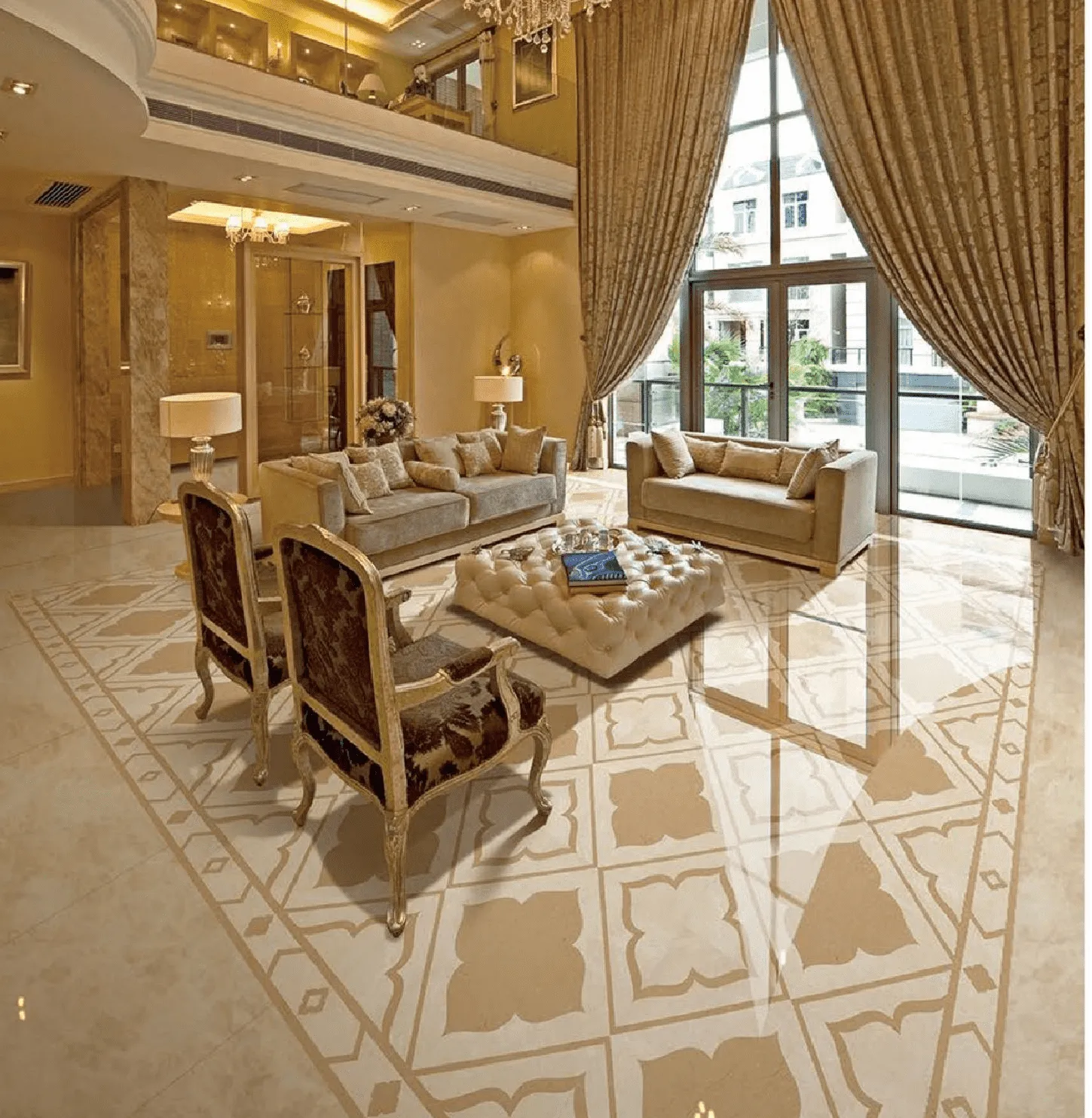
Renovating a villa or a hotel often starts with the same question: which surface will look right and perform safely for years. A well-chosen marble tile sets the tone for lobbies, suites, and private living spaces, but the wrong finish or rating can turn a beautiful project into a maintenance and safety burden. This guide builds a practical selection matrix so specifiers can match stone to each room's real demands.
Choose The Finish That Fits Each Room
Finish choice is the first fork in any renovation matrix and ties directly to everyday risk. A glossy face may photograph well yet invite complaints where water lands, while a flat face hides wear but can read dull in dim corridors. Balancing the two starts with mapping each room's moisture, light, and traffic before selecting a finish.
Polished Versus Honed — What Changes
A marble tile leaves the factory in two main states. Polishing closes the surface and deepens color, producing strong reflection that flatters veining in dry living rooms. Honed treatment stops before gloss, leaving a matte, low-glare face that hides etching and reads warmer under soft lighting. The choice is not cosmetic alone; it changes how light behaves and how traffic wears the stone.
Where Polished Belongs And Where It Fails
Polished stone suits formal living areas, feature walls, and hotel lobby floors with controlled foot traffic. Specifying a marble tile in a dry villa lounge keeps the polished look without the slip worry that wet rooms bring. It demands drier conditions and regular dust removal, since grit scratches gloss faster than a textured face. Bathrooms, pool decks, and kitchen aisles are poor fits because water destroys traction on a mirror finish.
Check Slip Rating And Water Absorption
Reading ANSI A137.1 Slip Results
Slip performance is measured, not guessed. The ANSI A137.1 standard uses the Dynamic Coefficient of Friction (DCOF) method on a wet scale, giving a comparable number for flooring. A higher DCOF means more traction. Specifiers should request the test value for the actual finish, because polished and honed faces of the same stone return different readings.
A recent combined project shows why this matters. The brief covered a private villa and a floor of hotel suites sharing one material palette. The original plan specified polished marble throughout for a unified, bright look. Early risk review flagged the suites' bathrooms and pool-adjacent corridors: polish there would drop DCOF below a safe wet threshold and demand heavy upkeep. The team switched those wet zones to a honed finish with a higher measured DCOF, kept polish only in dry villa living rooms and the hotel lobby, and logged the test values per batch. The result was a consistent visual language with safe, low-maintenance wet areas and no slip incidents during the first occupancy season.
Water Absorption And ASTM C97
Density drives stain and frost behavior. ASTM C97 measures water absorption and specific gravity of natural stone, sorting material into categories such as anhydrous and slightly absorptive. Lower absorption means fewer liquids penetrate, so spills sit on the surface for easier cleanup. A marble tile with low absorption rated under ASTM C97 stays brighter in hotel bathrooms where steam and soap film build daily. This protects the appearance where moisture is constant.
Plan Size, Substrate, And Stone Type
Tile Size And Substrate Preparation
Larger formats create fewer joints and a calmer field, but they demand a flatter substrate. Renovation over old screed often needs a self-leveling layer and a suitable thin-set mortar to avoid hollow spots and lippage. A sound base protects the investment more than the top face does, since movement transmits straight through stone. When the chosen marble tile is a large slab-format piece, the substrate tolerance tightens further, and a crack-isolation membrane becomes sensible in buildings with known movement. Testing flatness with a straightedge before setting prevents costly rework.
Marble Or Travertine For Renovation
Travertine brings a warmer, earthier tone and naturally open texture that some villa schemes prefer, yet it needs more filling and sealing. Marble offers denser structure and crisper veining for a cleaner hotel look. The decision should follow traffic, cleaning method, and the desired atmosphere rather than trend alone. For renovation where the existing marble tile must blend with retained floors, matching the new lot's tone and honed depth to the old surface avoids obvious patchwork. Travertine also shows fill loss at grout lines under heavy carts, so lobbies favor marble for resilience.
Inspect On Arrival And Maintain
Verify And Install Correctly
On delivery, check each crate for shade consistency, edge quality, and the documented test values before fixing. Use a compatible grout and control joints to accept building movement. Suppliers working to ISO 9001 and ISO 14000 systems give steadier batch control and environmental discipline across shipments. Reject pieces showing shade jumps or edge chips, since these flaws multiply across a large floor and cannot be hidden later.
Care And Maintain Long Term
Daily care means pH-neutral cleaning and prompt spill wipe-up; re-impregnation on a schedule keeps the face resilient. A durable marble tile program also records the lot numbers and finish for every room, so future replacements match. Avoid acidic cleaners that etch calcium-based stone, and place mats at entries to capture grit before it reaches the floor. Consistent upkeep preserves slip rating and color long after the renovation opens.
Selecting the right marble tile for a villa or hotel renovation is less about chasing a single look and more about matching finish, slip rating, absorption, and substrate to each room's use. A finish that suits a dry lobby may fail in a wet suite, while a stone chosen for color alone can burden housekeeping. Build the choice from measured values and realistic traffic, and the result stays safe and attractive for years.
Frequently Asked Questions
Question
What finish should be used in wet hotel bathrooms?
Answer: Wet hotel bathrooms need a honed or satin natural stone finish with a documented DCOF above the wet-area threshold from ANSI A137.1. Polish reflects light but drops traction where water lands, raising slip risk and cleaning load. A closed, impregnated face paired with pH-neutral care keeps the surface safe and readable. Specifiers should confirm the tested value for the exact finish before signing off.
Question
Why does slip rating matter more than appearance in renovation?
Answer: Appearance fades after opening, but slip performance affects daily safety for years. A glossy floor that photographs well can become a hazard in lobbies and spa corridors where water and bare feet meet. Measuring DCOF under ANSI A137.1 gives a comparable, repeatable number instead of a guess. Renovation budgets recover from a color change far less easily than from an injury claim or a full re-lay.
Question
How is slip resistance measured for natural stone flooring?
Answer: Slip resistance for flooring is measured with the Dynamic Coefficient of Friction method described in ANSI A137.1, using a wet tribometer on the actual finished face. The result is a DCOF value; higher means more traction. Because polished and honed faces differ, the test must run on the shipped finish, not a sample board. Pair the reading with ASTM C97 absorption data for a full wet-area risk picture.
Question
Can travertine replace marble in a villa renovation?
Answer: Travertine can replace marble in dry villa zones where a warm, earthy tone is wanted, though it needs more filler and sealing at open pores. For entries, lobbies, and wet rooms, a denser marble tile resists cart traffic and moisture better and needs less upkeep. The choice should follow room function and cleaning method, not style alone, so the renovation stays practical across the whole property.
Question
Where should polished marble be avoided during renovation?
Answer: Polished stone should be avoided in bathrooms, pool decks, kitchen work aisles, and hotel corridors where water or bare feet are common, since gloss lowers wet traction. Stairs and ramps are also poor fits. Reserve polish for dry living rooms, feature walls, and controlled lobby areas with regular dust removal. Matching finish to moisture and traffic prevents both slip risk and heavy daily maintenance.