
 EN
EN

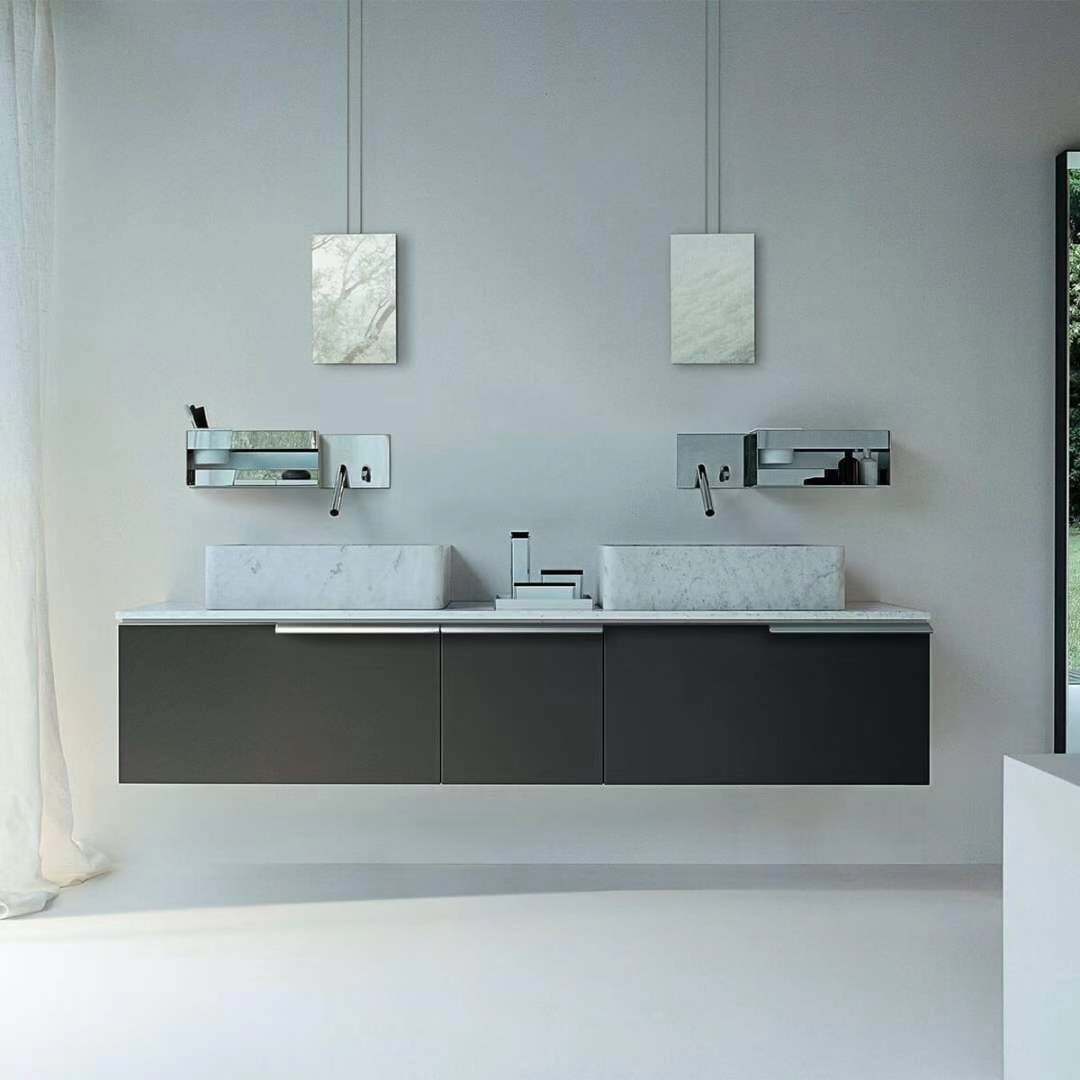
Why Carrara Marble Vanity Tops Demand pH-Neutral, Non-Abrasive Care
The calcite composition and natural porosity of Carrara marble vanity tops
Carrara marble vanity tops consist primarily of calcite (calcium carbonate), scoring just 3–4 on the Mohs hardness scale—making them notably softer than granite or quartz. This low hardness renders them vulnerable to scratches from ceramic toiletry containers, jewelry, or even coarse washcloths. Their inherent porosity—a network of microscopic capillaries—allows liquids to penetrate rapidly, especially in honed finishes, which absorb spills faster than polished surfaces. Vigilant sealing is essential, as even brief contact with acidic substances triggers irreversible chemical reactions that dissolve the calcite matrix.
Common bathroom products that cause etching, dulling, and permanent haze
Acidic toiletries—including toners (pH 3.5–5.5), citrus-based hand soaps, and vinegar-based cleaners—etch marble by reacting with its calcite, leaving dull, whitened patches. Abrasive scrubs, powdered cleansers, or stiff-bristled brushes create micro-scratches that scatter light and accumulate into a persistent haze. Traditional bar soaps deposit fatty acid residues that form a dulling film over time. Commercial cleaners containing hydrochloric acid, ammonia, or bleach degrade sealants and risk discoloring or corroding the stone. Hard water minerals also bond readily to the surface, forming cloudy, stubborn buildup resistant to routine wiping.
| Damage Type | Common Culprits | Visible Effect |
|---|---|---|
| Etching | Vinegar cleaners, acidic cosmetics | Dull, chalky spots |
| Dulling | Abrasive powders, stiff brushes | Loss of reflective shine |
| Permanent Haze | Hard water, soap scum buildup | Cloudy film resistant to wiping |
Targeted Stain Treatment for Carrara Marble Vanity Tops
Organic stain removal: Hydrogen peroxide + baking soda poultice protocol
For organic stains—such as coffee, tea, makeup, or hair dye—apply a poultice made from baking soda and 3% hydrogen peroxide. Mix into a thick, spreadable paste, apply directly to the affected area, and cover with plastic wrap for 24–48 hours. The poultice draws pigments out through capillary action without abrasion or acid exposure. After removal, rinse thoroughly with distilled water and gently buff dry using a clean microfiber cloth. Always spot-test first in an inconspicuous area, as concentrated solutions may subtly lighten dark veining. According to peer-reviewed stone restoration research, this method resolves approximately 78% of organic stains effectively and safely.
Distinguishing hard water deposits from true stains—and using mineral-specific descaling
White, crusty mineral deposits are not stains but surface-scale formations—distinct from pigment-based discoloration. Hard water buildup typically appears as a cloudy, hazy film concentrated near faucets and drains, whereas true stains show color penetration beneath the surface. To remove mineral deposits:
- Apply a pH-neutral descaling gel formulated specifically for natural stone
- Allow it to dwell for 5–7 minutes to safely dissolve calcium carbonate crystals
- Gently agitate with a soft nylon brush
- Rinse completely with distilled water to prevent residue
Never use vinegar, lemon juice, or other acidic descalers—their low pH permanently etches calcite. For deeply embedded or recurring mineral deposits, professional-grade clay-based poultices may be required.
Long-Term Preservation of Carrara Marble Vanity Tops
Maintaining the pristine beauty of Carrara marble vanity tops demands consistent, science-backed care rooted in material understanding—not guesswork. Leading stone conservation guidelines (Natural Stone Institute, 2024) recommend resealing every 6–12 months with a penetrating, breathable sealant to fill microscopic pores—this barrier reduces stain absorption by up to 90% without altering appearance or breathability. Daily cleaning must rely exclusively on pH-neutral cleaners and ultra-soft microfiber cloths; acidic or abrasive products cause cumulative, irreversible damage to the calcite structure.
Three evidence-informed preventative protocols significantly extend longevity:
- Use silicone or felt pads under toiletries and accessories to eliminate direct chemical contact
- Wipe spills immediately—especially cosmetics, hair dyes, perfumes, and acidic liquids—to prevent etching or staining before they set
- Finish rinses with distilled water to avoid reintroducing hard water minerals
Neglecting these steps accelerates cloudiness, loss of luster, and structural degradation—but disciplined, chemistry-aware care preserves Carrara marble’s luminous veining and refined elegance for decades.
Frequently Asked Questions
Why is pH-neutral cleaner important for Carrara marble?
pH-neutral cleaners are essential because they do not react with the calcite in Carrara marble, minimizing the risk of etching and preserving the stone's integrity.
How often should Carrara marble tops be resealed?
It's recommended to reseal Carrara marble vanity tops every 6–12 months using a penetrating, breathable sealant to maintain their condition and prevent stains.
Can everyday household cleaners damage Carrara marble?
Yes, many household cleaners contain acids or abrasives that can etch, scratch, or dull the surface of Carrara marble. Always choose products specifically safe for natural stone.
What should I do if I spill something acidic on my marble vanity?
Wipe the spill immediately using a soft cloth or microfiber to prevent etching or staining before it alters the marble's surface.