
 EN
EN

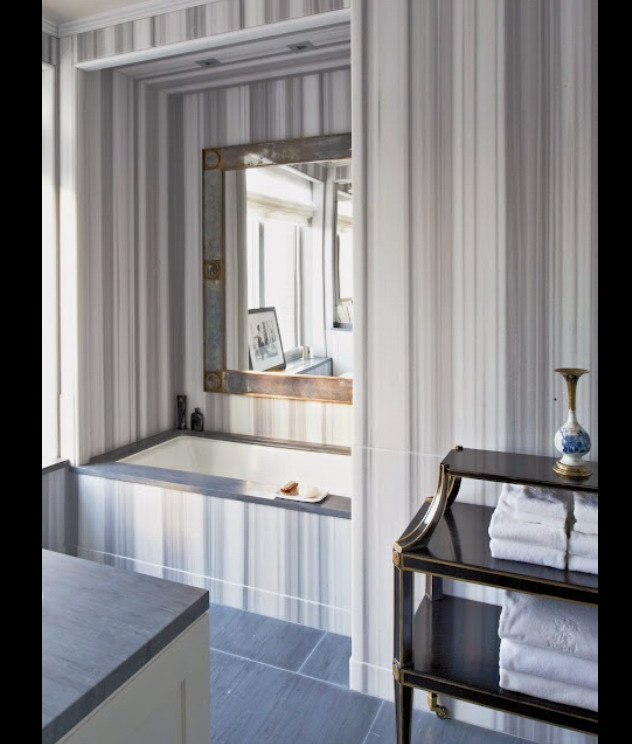
Marble Tile: Unmatched Beauty, Durability, and Long-Term Value for Luxury Spaces
Walk into any high-end hotel lobby, luxury residence, or designer showroom, and you will likely find marble tile. It has been a symbol of refinement for centuries—from ancient Roman baths to contemporary penthouses.
But here is the reality that many homeowners and designers discover only after installation: marble is not like other tiles. It does not behave like ceramic. It does not maintain itself like porcelain. And it does not look like anything else.
Understanding marble‘s unique characteristics—its beauty, its strengths, its vulnerabilities—is the key to making an informed decision. Here is what architects, interior designers, and homeowners need to know about marble tile.
The Unmatched Beauty of Natural Stone
The distinctive beauty of marble tile originates from its geological formation. Each piece is a unique artifact shaped by millennia of heat, pressure, and mineral recrystallization. Unlike ceramic tiles, which rely on printed glazes with predictable, repeating patterns, marble‘s veining emerges organically from impurities like clay, iron oxides, and graphite. This natural variation ensures no two tiles are identical—a hallmark of exclusivity central to luxury perception.
The light effect: Marble’s visual depth stems from its crystalline calcite structure, which allows light to penetrate slightly before reflecting back—a property known as diaphaneity. The result is a soft, luminous glow and three-dimensional quality that flat, opaque ceramic glazes cannot replicate.
From the field: An interior designer shared how a client initially considered a high-end porcelain tile that mimicked marble. “We installed samples of both side by side,” she said. “The porcelain looked flat and lifeless next to the real marble. The client chose marble immediately—the difference was that obvious.”
The Financial Case for Marble: Resale Value and Market Positioning
Marble tile is a strategic asset—not just a finish. Homes featuring natural stone flooring consistently command a premium over comparable properties with ceramic tile. Industry data suggests this premium reflects marble‘s deep-rooted association with rarity, permanence, and prestige—psychological cues that resonate strongly with luxury buyers.
What this means for sellers: In competitive high-end markets, marble enhances conspicuous uniqueness and reduces sensitivity to short-term market volatility. It positions a property not as a transactional commodity but as a timeless, curated asset—differentiating it decisively from listings anchored in mass-produced alternatives.
From the field: A luxury real estate agent noted: “I have seen two nearly identical units in the same building—one with marble floors, one with ceramic. The marble unit consistently sells for more and spends less time on the market. Buyers in this segment know the difference, and they are willing to pay for it.”
Durability: What Marble Does Well (and Where It Needs Care)
Mohs Hardness vs. PEI Ratings: Why Comparisons Can Mislead
A common misconception is equating marble‘s Mohs hardness (typically 3–4) with ceramic tile’s PEI abrasion rating. These metrics assess fundamentally different properties: Mohs measures resistance to mineral scratching, while PEI evaluates surface wear from foot traffic.
| Feature | Marble Tile (Mohs ~3–4) | Ceramic Tile (PEI 3–4) | Key Distinction |
|---|---|---|---|
| Primary Resistance | Mineral scratch resistance | Surface wear from foot traffic | Measures different physical threats |
| Common Damage | Visible scratching from sharp objects | Surface dulling from abrasive grit over time | Reflects inherent material vulnerabilities |
| Ideal Application | Low-traffic luxury areas, vertical surfaces | High-traffic floors, commercial spaces | Dictated by the type of expected wear |
Compressive Strength and Structural Performance
Marble‘s structural resilience tells a different story. High-density marble achieves compressive strength exceeding 12,000 psi—surpassing many ceramics—making it highly resistant to cracking under heavy static loads like grand pianos or built-in cabinetry. Its enduring use in historic architecture underscores this intrinsic robustness.
Thermal mass: Marble remains naturally cool, supporting passive cooling in warm climates. While this may feel chilly in winter, it reflects thermal stability—not a performance deficit.
The key insight: True longevity depends less on absolute material rankings and more on contextual alignment. A marble floor in a quiet primary bathroom can endure for generations; the same tile in a gritty, acidic-prone restaurant kitchen would degrade rapidly. Selecting marble is about matching its specific resistance profile to the environmental and functional demands of the space.
Maintenance: What It Actually Takes to Keep Marble Beautiful
Owning marble tile requires informed stewardship—not constant labor. With consistent, pH-conscious habits and appropriate sealing, marble maintains its luminous character for decades.
Porosity and Sealing
Marble is naturally porous, with ASTM C373 water absorption rates typically ranging from 0.2% to 0.5% by weight. While lower than limestone or sandstone, this porosity still permits liquids—wine, coffee, oil—to penetrate and stain if left unsealed. A high-quality penetrating sealer is essential: it fills capillaries without forming a surface film, preserving breathability and appearance.
Crucially, sealing does not protect against etching—the chemical dissolution of calcium carbonate by acids. Lemon juice, vinegar, wine, or even some household cleaners can instantly dull the surface, leaving a light, chalky mark. Prevention—not correction—is the only effective strategy.
Daily Care Protocols
| Maintenance Task | Frequency | Best Practice |
|---|---|---|
| Dust mopping | Daily | Remove abrasive grit before it scratches |
| Wet cleaning | As needed | Use pH-neutral stone cleaner only—never vinegar or bleach |
| Sealing | Every 6–12 months | Use impregnating sealer (not topical coating) |
| Professional honing | Every 3–5 years | Restores polish and removes micro-scratches |
| Spill response | Immediate | Blot—never wipe—acidic spills; rinse with clean water |
From the field: A homeowner shared her experience after six years of marble floors: “I was nervous about maintenance at first, but it has been surprisingly manageable. We seal once a year, clean up spills right away, and the floors still look like the day they were installed. The key is just being mindful—not obsessive.”
Marble vs. Ceramic: A Side-by-Side Comparison
| Criterion | Marble Tile | Ceramic Tile |
|---|---|---|
| Appearance | Unique, natural veining; luminous depth | Uniform, printed patterns; flat finish |
| Uniqueness | Each piece is one-of-a-kind | Repeating patterns across production runs |
| Compressive strength | >12,000 psi | Varies; generally lower than high-density marble |
| Scratch resistance | Moderate (Mohs 3–4) | High (PEI 3–5) |
| Acid resistance | Poor (etches easily) | Good (glazed surface resists acids) |
| Water absorption | 0.2–0.5% (porous) | <0.5% (glazed; non-porous) |
| Maintenance | Sealing required; pH-neutral cleaners | Minimal maintenance |
| Resale value impact | +3–7% premium | Standard |
| Best applications | Luxury interiors, walls, low-traffic areas | Kitchens, bathrooms, high-traffic floors |
| Long-term character | Develops patina, ages gracefully | Appearance remains consistent; can look dated |
Who Is Marble Tile For?
Marble is not for every project—but for the right project, there is no substitute.
Marble is ideal for:
-
Primary bathrooms and luxury ensuites
-
Entryways and foyers where first impressions matter
-
Fireplace surrounds and feature walls
-
Hospitality spaces (hotel lobbies, spa areas)
-
Low-to-moderate traffic residential floors
Marble is not recommended for:
-
Commercial kitchens or restaurant floors
-
Outdoor applications (freeze-thaw cycles cause damage)
-
High-traffic entryways with abrasive grit (e.g., mudrooms)
-
Areas prone to frequent acidic spills
The key principle: Marble rewards informed choices. When placed in the right setting and maintained properly, it outlasts trend-driven alternatives and grows more beautiful with age.
FAQ
Why is marble considered a luxury material?
Marble is prized for its natural veining, visual depth, and luminous glow, which are unique to its geological composition. Its rarity and ability to elevate spaces contribute to its reputation as a luxury material.
Does marble improve property resale value?
Yes, properties with marble flooring typically command a 3–7% price premium over comparable homes with ceramic tiles due to its prestige and long-term value.
How durable is marble compared to ceramic tile?
Marble excels in compressive strength and static load resistance, while ceramic tile is better suited for high-traffic areas where surface wear is a concern.
Can marble withstand acidic spills?
No, marble is susceptible to etching caused by acids such as lemon juice or vinegar. Preventative measures like immediate cleanup and pH-neutral cleaners are essential.
How often should marble be sealed?
Sealing frequency depends on usage but typically ranges from every 6 to 12 months. Using a high-quality impregnating sealer is recommended for optimal protection.
Is marble tile difficult to maintain?
Marble requires informed maintenance—not constant labor. Regular sealing, pH-neutral cleaning, and immediate spill response are the key practices that keep marble beautiful for decades.