
 EN
EN

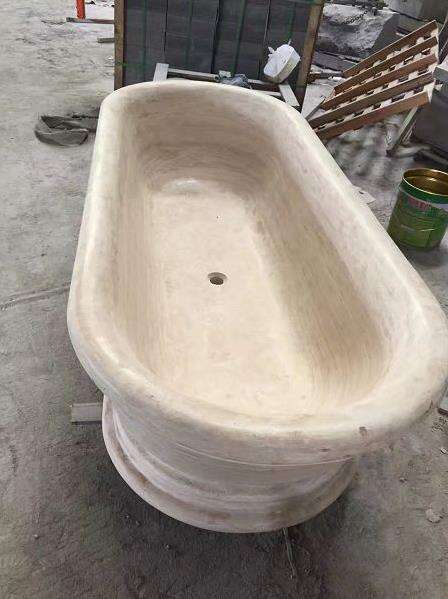
Daily Cleaning Best Practices for a Luxurious Marble Bathtub
pH-Neutral Cleansing Routine with Warm Water After Every Use
After every bath, get into the habit of rinsing off with warm water and using a gentle, pH balanced cleaner to keep that marble tub looking good for years. Marble contains lots of calcium carbonate, which means it doesn't play well with acids at all. Things like vinegar, lemon juice, or any cleaner with citrus in it will actually eat away at the surface, leaving behind those annoying dull spots that never go away. According to some research from Stone Care International last year, marble surfaces cleaned only with neutral products kept about 97% of their shine after twelve months, whereas ones hit with acidic stuff dropped down to around 68%. Always make sure to rinse everything off completely after bathing and then dab dry with a soft microfiber cloth. This helps remove leftover soap scum, body oils, and mineral buildup without scratching the surface. The drying step matters because it stops those stubborn water stains from forming. And watch out for bath oils, lotions, or makeup sitting on the tub longer than necessary. Marble starts soaking up whatever's on its surface pretty quickly, sometimes within fifteen minutes, making stains much more likely to happen.
Gentle Soap Scum Removal Without Abrasives or Acidic Agents
Getting rid of soap scum should be done with non-abrasive materials that are pH balanced. Try making a simple paste with baking soda mixed with water at about a 1 to 3 ratio. Apply this mixture onto the surface using a soft bristled brush and move it around in gentle circles. This works pretty well for lifting away buildup without damaging the surface underneath. When dealing with stubborn organic stains, enzymatic cleaners designed specifically for natural stone surfaces can do the trick safely. These products break down the residue without harsh chemicals or creating those dangerous alkaline spikes over pH level 9. Steer clear of steel wool, magic erasers, and other abrasive scrubbing pads though. According to tests conducted in the industry, these kinds of tools actually make surfaces rougher by about three times their original state after someone uses them fifty times. Always remember to blot instead of wiping when removing residues. Wiping tends to push tiny particles deeper into the material where they can scratch the finish over time.
Sealing and Polishing to Preserve the Luxurious Marble Bathtub’s Luster
Optimal Sealing Frequency: Natural vs. Cultured Marble Considerations
The natural stuff has quite a porous nature, so it needs sealing somewhere between six to twelve months just to keep it safe from getting wet, stained, or damaged by acidic substances. Cultured marble is different though since it's basically made from polyester resin mixed with some marble dust, making it much less thirsty for sealants. Most folks can get away with sealing it once every eighteen to twenty four months instead. But watch out if the area tends to be really humid, because the seal will break down faster there. Do those little water tests every three months or so. Just sprinkle some drops on a dry spot and see what happens. If they start to sink in or leave dark spots within five minutes, then it's definitely time to reseal. When picking sealers, go for ones that actually penetrate the material rather than sitting on top. Make sure they're labeled specifically for either natural or cultured stone surfaces. Stay clear of those acrylic sealers that sit on the surface though, as they tend to turn yellow eventually and just fall off after some time.
Safe Polishing Methods That Enhance Shine Without Etching Risk
To bring back that shine, grab some pH neutral polish and apply it lightly on surfaces that are totally dry. Work it in circles with a fresh microfiber cloth until it starts to look better. Stay away from those spinning buffer machines, rough pads, or pushing too hard because they actually leave tiny scratches behind that mess with how light reflects off the surface. When things get really dull, pros step in with special diamond embedded pads while running water over them carefully. This method fixes imperfections instead of just sanding away at the top layer. Between these big jobs at home, regular light polishing keeps everything looking sharp and clear without messing up whatever protective coating might be there already.
Effective Stain, Scratch, and Mold Remediation for Marble Bathtubs
Non-Acetic Treatment of Organic Stains and Mold in Wet Environments
When dealing with organic stains like coffee rings, wine accidents, or food messes, reach for non-acidic poultices instead of harsh chemicals that could damage surfaces. For those lighter stains, mix up a thick paste of baking soda and water, slap it on the spot, cover with plastic wrap, and leave it sit overnight before giving it a good rinse. If we're talking about mold problems or really stubborn organic buildup, swap out the water for 3% hydrogen peroxide in our poultice mixture. The peroxide works wonders at breaking down microbes without eating away at calcium carbonate surfaces. Never skip testing any treatment first on a hidden part of the surface where nobody will notice if something goes wrong. Once done with cleaning, make sure to wipe everything dry using a soft microfiber cloth to avoid leaving behind those pesky water spots. And remember, when mold keeps coming back, there's probably a bigger moisture issue lurking somewhere. Better air circulation helps a lot here. Consider installing one of those fancy humidity-controlled exhaust fans and keep bathroom humidity levels under 50% to stop mold from making itself at home again.
Common Pitfalls: Substances and Habits That Damage a Luxurious Marble Bathtub
Marble surfaces really hate acidic stuff. Think about things like vinegar, lemon juice, those harsh toilet bowl cleaners, and surprisingly enough, some so-called natural cleaning sprays too. These acidic materials eat away at the marble's surface because they have such low pH levels, which basically means they start dissolving the crystal structure. What happens? Dull spots appear that look kind of chalky and won't go away no matter how hard you try to wipe them off. Then there are those rough cleaning tools people sometimes grab when frustrated. Stiff brushes, scouring powder, or those abrasive scrubbing pads will slowly wear down the shine until eventually tiny scratches build up and become obvious when light hits them at certain angles. Cosmetics, hair color, essential oils, and any dark liquid spilled on marble needs attention right away. Don't just wipe it, blot it up fast before it sets in. Accidents happen though. Dropping something heavy or dragging furniture across the floor can crack corners or worse. Even good intentions can backfire. Some folks think baking soda is harmless but using straight baking soda or mixing vinegar solutions might seem helpful short term, but these actually speed up the damage over months and years. Want to keep your marble looking beautiful? Keep acidic cleaners out of reach, stick to products specifically labeled safe for natural stone, put down those rubber mats to absorb shocks from clumsy moments, and remember that spills aren't just annoying messes they're emergencies. Grab a cloth, blot quickly, give it a quick rinse with something neutral, then dry everything completely.
FAQ
How often should I seal natural marble?
Sealing natural marble should occur every six to twelve months to protect it from moisture and stains.
Can I use vinegar to clean marble surfaces?
No, vinegar is acidic and can damage marble by creating dull spots on its surface.
Are there specific cleaners for marble bathtubs?
Yes, choose pH-neutral cleaners that are specifically labeled safe for natural stone to avoid any damage.
What is the best way to remove soap scum from marble?
Use a paste made of baking soda and water applied gently with a soft bristled brush to lift soap scum without causing damage.