
 EN
EN

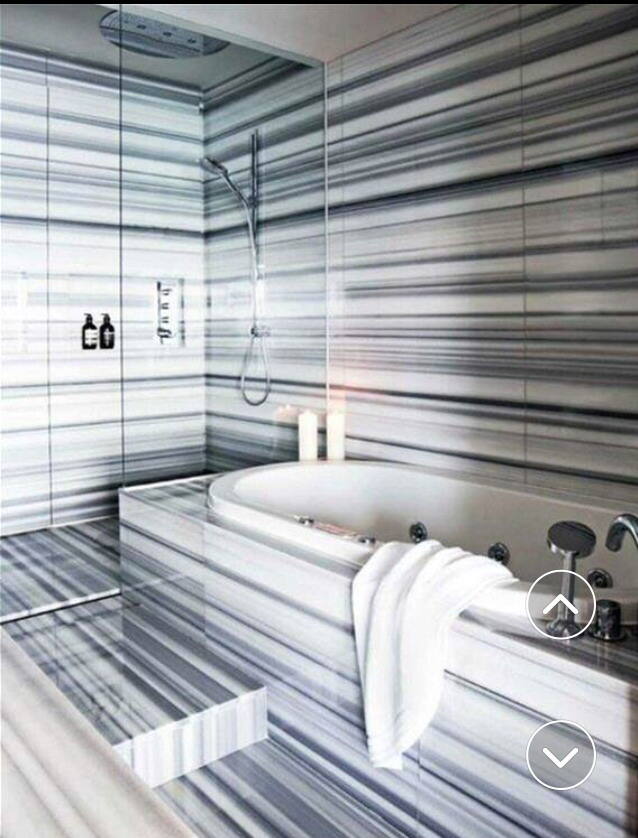
Why Marble Tile Requires Specialized Cleaning and Sealing
The Porous Structure of Marble Tile and Its Susceptibility to Etching and Staining
The tiny holes in marble tiles work just like little sponges, soaking up all sorts of liquids and dirt right into the stone itself. Because of this property, marble gets damaged much easier than other materials. We're talking about things like etching, which happens when acids react chemically with the surface, making it look dull and cloudy. And then there are stains from common kitchen accidents - red wine, coffee spills, maybe some cooking oil. These actually stick to the calcium carbonate in the marble and leave behind permanent color changes. Acidic stuff will literally eat away at the shiny finish, creating those white spots everyone hates to see. Standard cleaning methods won't cut it for marble floors either. Even plain water sitting on them too long can do harm. That's why regular sealing becomes so important. It fills those microscopic gaps and forms a shield against everyday messes.
How Acidic Substances and Harsh Cleaners Cause Permanent Damage to Marble Tile
Marble gets damaged when exposed to acidic stuff like vinegar, lemon juice, or anything with tomatoes in it. These acids start chemical reactions that break down the stone's crystal structure, leaving behind those telltale etched marks that never go away. Harsh cleaning products such as bleach or ammonia are just as bad because they eat away at the natural protection layer on marble surfaces. Scratching marble with abrasive tools only makes things worse by damaging the polished finish. When etching happens, most people end up needing professional help to fix it all, which typically runs around $740 according to a study from Ponemon Institute back in 2023. That's why smart homeowners stick to pH neutral cleaners and apply proper sealing treatments regularly. Taking these precautions helps protect marble investments against gradual wear and tear over time.
Cleaning Marble Tile: Safe, Effective Routines for Every Need
Daily and Weekly Cleaning with pH-Neutral Solutions for Marble Tile
Daily cleaning of marble tiles should involve a pH neutral cleaner made for natural stone surfaces. A soft microfiber cloth works best for wiping away dirt without leaving scratches behind. When spills happen, especially those containing acids such as wine or citrus juices, it's important to blot them right away rather than rubbing which can cause damage over time. Once a week, give floors a good going over with distilled water mixed with a detergent safe for stone materials. Stay clear of household cleaners like vinegar, bleach, ammonia products, and definitely avoid anything abrasive since these will strip away both shine and protective coatings. Regular but gentle attention keeps marble looking beautiful while minimizing long term damage that builds up unnoticed day after day.
Deep-Cleaning Marble Tile Safely—When and How to Use Steam or Gentle Methods
Do a thorough cleaning every three months or whenever there are visible stains or buildup. When dealing with unsealed tiles, be careful with low pressure steam cleaners and keep the nozzle at least six inches away from the tile surface. If facing tough organic or oil based stains, try making a paste of baking soda mixed with water and let it sit for around 24 hours before giving it a good rinse with distilled water. Avoid anything too acidic, don't go near those mechanical scrubbers, and absolutely stay clear of pressure washers. Make sure everything gets rinsed clean so nothing is left behind that could mess with future sealant applications or speed up the breakdown process over time.
Preparing Marble Tile for Sealing: Critical Pre-Application Steps
Ensuring Complete Dryness, Optimal Temperature, and Surface Integrity
Getting the surface ready right is probably the number one thing that determines whether sealing work will stick or fail. Before applying anything, check that everything is completely dry with a good moisture meter. The reading on the substrate needs to be under 2% at minimum. Don't even think about sealing if the air feels damp (over 60% humidity) or if it's too cold or hot outside. Temperatures between 50 and 90 degrees Fahrenheit (about 10 to 32 Celsius) are ideal because extreme conditions just stop the sealer from penetrating properly and curing correctly. Take time to look closely at the surface too. Any cracks, chips, or uneven spots from previous repairs need attention. Fill those gaps with an epoxy filler that matches the stone color specifically made for limestone type materials. And clean thoroughly! Get rid of all the gunk that builds up over time like soap scum, leftover wax, or bits of old sealant. A simple pH neutral cleaner works best for stone surfaces. Statistics from the Tile Council of North America show something pretty shocking actually: around three quarters of all failed seal jobs come down to poor prep work upfront.
Performing the Water Test and Repairing Minor Damage Before Sealing
Conduct a water absorption test to assess porosity: sprinkle clean water on multiple tile areas—if darkening occurs within 5 minutes, sealing is necessary. Address etching first using a marble-specific polishing compound to restore surface integrity. For hairline fractures, follow this protocol:
- Clean the area with acetone to remove oils and residues.
- Apply stone-specific epoxy filler, smoothing flush with the surface.
- Allow full 24-hour cure before polishing to match the surrounding finish. Never seal over unresolved damage—doing so traps moisture and accelerates deterioration. Proper prep extends sealer longevity by 3–5 years compared to rushed applications.
Applying the Right Sealer for Marble Tile: Selection and Execution
Why Penetrating Sealers Are the Only Recommended Option for Marble Tile
Marble has this unique makeup that makes it quite porous and made mostly of calcium carbonate, so regular sealers just won't cut it. What works best are those penetrating or impregnating sealers that actually soak deep into the stone itself. They create this kind of invisible shield inside the tiny holes in the marble rather than sitting on the surface like paint would. Topical coatings are a different story altogether. They tend to lock in moisture instead of letting it escape naturally, which can cause problems down the road like cloudy spots or even pieces flaking off over time. Penetrating sealers let the marble breathe while keeping out oils and water at the same time. According to what professionals have found, when marble gets sealed correctly with these penetrating products, it experiences about three times fewer instances of etching compared to stones that either aren't sealed or were sealed incorrectly.
Water-Based vs. Solvent-Based Sealers: Balancing Safety, Performance, and VOC Compliance
| Factor | Water-Based Sealers | Solvent-Based Sealers |
|---|---|---|
| VOC Levels | Low (<50 g/L) | High (up to 550 g/L) |
| Cure Time | 2–4 hours | 12–24 hours |
| Stain Resistance | Moderate (reapplication every 18–24 months) | High (3–5 years) |
| Application Safety | Low odor; no special ventilation required | Requires OSHA-compliant respirators and active airflow |
Water based sealers are much safer to apply indoors, clean up easily, and generally meet those tough indoor air quality requirements which makes them great choice for home kitchens and bathrooms. The solvent based ones last longer and stand up better against heavy foot traffic or constant contact with acidic substances, so they work well in commercial spaces or places that get used a lot all day long but come with some serious ventilation rules that need following. Check what your area allows regarding VOC levels since quite a few states across America have banned solvent based sealers above 100 grams per liter for inside applications these days.
Maintaining Sealed Marble Tile: Long-Term Protection Strategies
Keeping sealed marble tiles looking beautiful requires regular attention and smart cleaning habits. Most experts suggest sealing again somewhere between six and twelve months depending on how much people walk over them. A simple water test works best too - just drop some on the surface and wait ten minutes. If it starts to leave a dark spot, time to reseal according to TCNA guidelines from last year. For everyday cleaning, stick with pH neutral products only. Acidic stuff or anything scratchy will ruin the protective layer and actually eat away at the stone itself. Spills need immediate action especially when they involve wine, oil or citrus juices since those stain really badly. Always put felt pads underneath furniture and never drag anything heavy or sharp across the floor. For areas where lots of people walk around, getting a professional to polish the tiles every eighteen to twenty-four months helps maintain their shine while fixing those tiny scratches we don't notice. Studies show this kind of preventative approach cuts down on expensive repairs later on by about sixty percent compared to waiting until problems appear, per research published in Surface Longevity Study back in 2023.
Frequently Asked Questions
Why is it necessary to seal marble tiles?
Marble tiles require sealing because of their porous nature, which makes them susceptible to staining and etching from everyday substances like wine, coffee, and even water.
What are the consequences of not sealing marble tiles?
If marble tiles aren't sealed, they can absorb liquids and dirt, leading to permanent stains and etching that affects the stone's appearance and durability.
What cleaning products should I avoid using on marble tiles?
Avoid using acidic substances such as vinegar and lemon juice, as well as harsh cleaners like bleach or ammonia, as these can damage the marble's surface.
How do penetrating sealers benefit marble tiles?
Penetrating sealers soak deep into the stone, providing protection without trapping moisture. This helps prevent etching and staining while allowing the marble to breathe naturally.
How often should marble tiles be resealed?
Marble tiles should typically be resealed every six to twelve months, but this can vary based on the amount of foot traffic they receive. Regular checks like water tests can indicate when resealing is necessary.
Table of Contents
- Why Marble Tile Requires Specialized Cleaning and Sealing
- Cleaning Marble Tile: Safe, Effective Routines for Every Need
- Preparing Marble Tile for Sealing: Critical Pre-Application Steps
- Applying the Right Sealer for Marble Tile: Selection and Execution
- Maintaining Sealed Marble Tile: Long-Term Protection Strategies
- Frequently Asked Questions