
 EN
EN

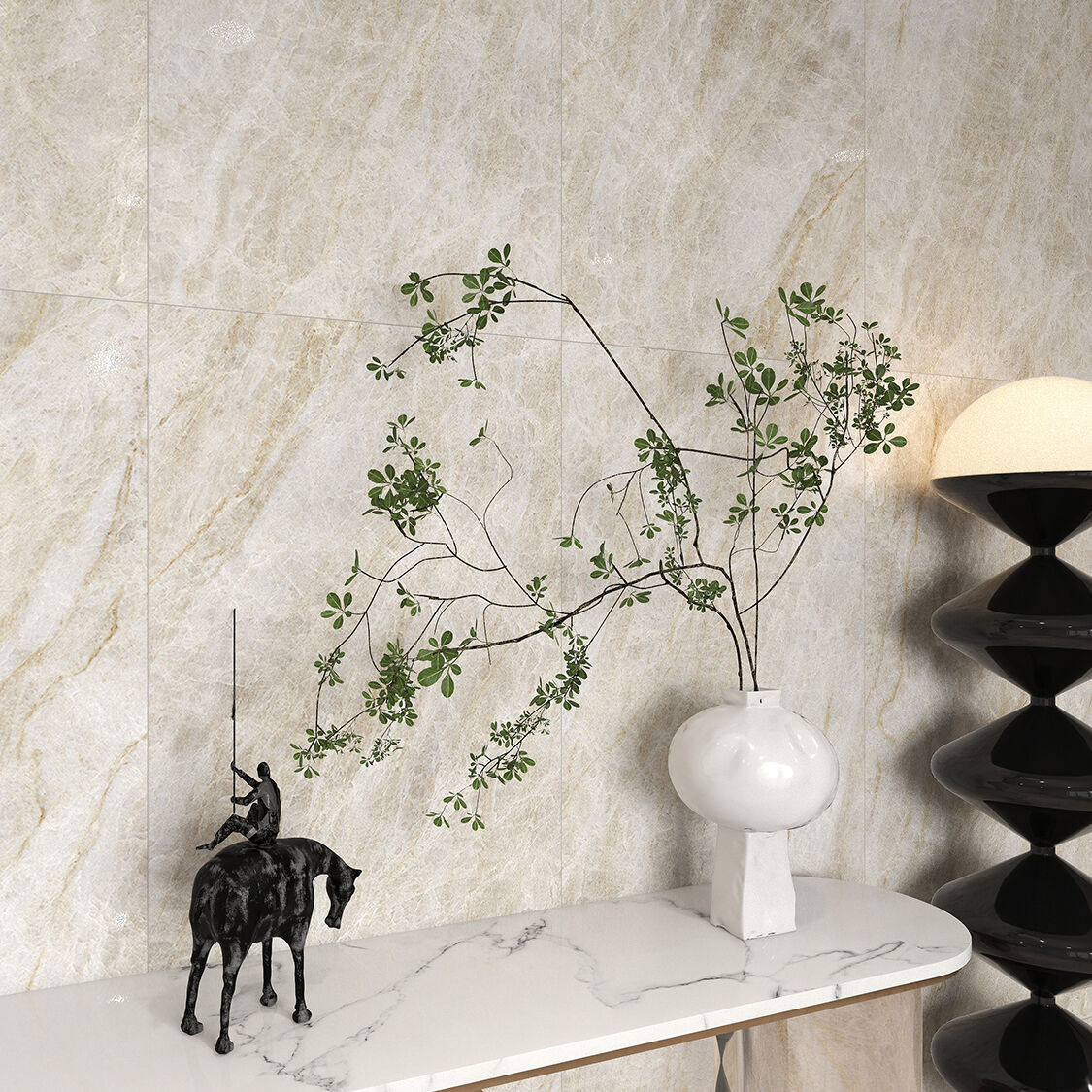
Understanding Marble’s Vulnerabilities in the Kitchen
Why marble kitchen countertops stain, scratch, and etch: porosity, calcite composition, and daily exposure risks
Natural marble countertops come with some pretty big drawbacks because of how they're made. For starters, there are tiny holes all over the surface that let liquids seep right in. Think about what happens when red wine or coffee gets spilled on them those dark stains never seem to go away completely. Why? Because marble actually has these little gaps between the minerals inside it. The stone was formed deep underground where intense heat and pressure squeezed everything together but didn't seal it entirely. Then there's the chemical issue. Most marble is basically calcium carbonate, which doesn't get along well with acids. Pour some lemon juice or vinegar on it and watch as those shiny surfaces turn dull and cloudy. We call this etching, and it gets worse the longer acidic stuff sits around. And don't forget about scratching problems either. Marble ranks only 3 to 4 on the hardness scale, so anything harder will leave marks. Just try cutting veggies directly on it or moving heavy pots across without pads, and soon enough those beautiful countertops will show signs of wear. According to recent industry reports, nearly 8 out of 10 issues homeowners face with marble countertops result from these three main problems. That's why proper maintenance matters so much if someone wants their investment to last through years of kitchen activity.
Preventing Stains and Etching on Marble Kitchen Countertops
Immediate spill response protocol: blotting over wiping to prevent penetration and acid-induced etching
When something gets spilled on marble, act fast. Gently blot up any liquid using those absorbent microfiber cloths rather than wiping back and forth. This approach stops acidic stuff like vinegar or lemon juice from spreading all over the marble surface where it could leave behind permanent marks. Marble actually soaks up liquids pretty quickly because of how it's made (calcite composition), so waiting even a minute might be too long sometimes. Once the spill is blotted away, give the spot a good rinse with distilled water and then pat it dry carefully. Don't rub aggressively though since this kind of pressure speeds up damage to the marble's calcium carbonate structure over time.
Neutralizing common kitchen threats: safe removal of coffee, wine, oil, tomato sauce, and citrus residues
Combat specific contaminants with targeted approaches:
- Coffee/wine: Apply baking soda paste (1:3 water ratio) for 15 minutes before rinsing
- Oily residues: Cover with cornstarch for 2 hours to draw out lipids
- Tomato/citrus: Neutralize acids with a pH-7.5 soap solution immediately after blotting
- Organic stains: Use 12% hydrogen peroxide on light marble only (spot-test first)
Always follow with mineral water rinses to prevent soap film buildup. Note that dark marble requires specialized poultices to avoid lightening—consult stone professionals for persistent stains.
Protecting Marble Kitchen Countertops from Scratches and Physical Damage
Hardness mismatch reality: why knives, pans, and unlined appliances scratch marble (Mohs 3–4) — and how to compensate
Marble ranks between 3–4 on the Mohs hardness scale, far softer than common kitchen implements. Knives (5.5+), cast iron pans (5–6), and ceramic appliances readily scratch unprotected surfaces due to this mineral mismatch. To prevent damage:
- Always use cutting boards for food prep
- Place trivets under hot pans to avoid thermal shock
- Install felt pads under appliances
- Lift objects instead of dragging them
A leading university materials lab found that consistent use of protective layers reduces scratch incidence by 78%. This approach preserves surface integrity while accommodating Marble’s natural limitations.
Sealing and Daily Maintenance Best Practices for Marble Kitchen Countertops
Choosing and applying penetrating sealers: performance in humid, acidic kitchen environments
When choosing sealers for marble in areas where moisture and acids are common, such as kitchen countertops, go for products designed specifically for these tough conditions. The best ones are either oil based or water based and work their way into the tiny spaces in the marble's calcite structure, forming an almost invisible shield against spills and even vapor from cooking. Most professionals agree that marble should get sealed somewhere between six months and a year later on, but folks who deal with lots of lemon juice or vinegar might find themselves needing to do it every three months instead. Before putting on another coat, try the old water bead test first thing. Just drop some water on the surface and watch what happens. If those droplets start disappearing into the stone within five minutes rather than sitting there like little pearls, then it's definitely time to apply fresh sealer without delay.
Sustainable maintenance routine: pH-neutral cleaners, microfiber protocols, and water-test–guided resealing
For everyday maintenance of marble surfaces, stick to pH neutral stone cleaners paired with good quality microfiber cloths since these don't leave behind lint that can scratch the surface when wiped. When accidents happen, always blot right away instead of wiping, especially if it's something acidic like red wine or spaghetti sauce on the counter. Check how well sealed your countertop remains about every three months. Just put a few drops of water here and there. If they sit there for over ten minutes without getting absorbed, then great job! The sealant is still working properly. Following these simple steps helps avoid wasting money on extra sealants while keeping those beautiful marble counters looking good and protected from stains and those pesky etch marks.
FAQ
How do I prevent stains on marble countertops?
Act quickly to blot up spills with absorbent microfiber cloths to prevent liquids from penetrating. Avoid wiping to prevent spreading, particularly with acidic substances.
Can I use vinegar or lemon juice on marble?
It's best to avoid acidic substances like vinegar or lemon juice on marble as they can cause etching, dulling the surface.
How often should I seal my marble countertops?
Generally, sealing should be done every six months to a year. In areas with high acidity or moisture, more frequent sealing every three months may be necessary.
What should I use to clean marble countertops daily?
Use pH-neutral stone cleaners and microfiber cloths for daily cleaning to prevent scratches and maintain the marble's appearance.