
 EN
EN

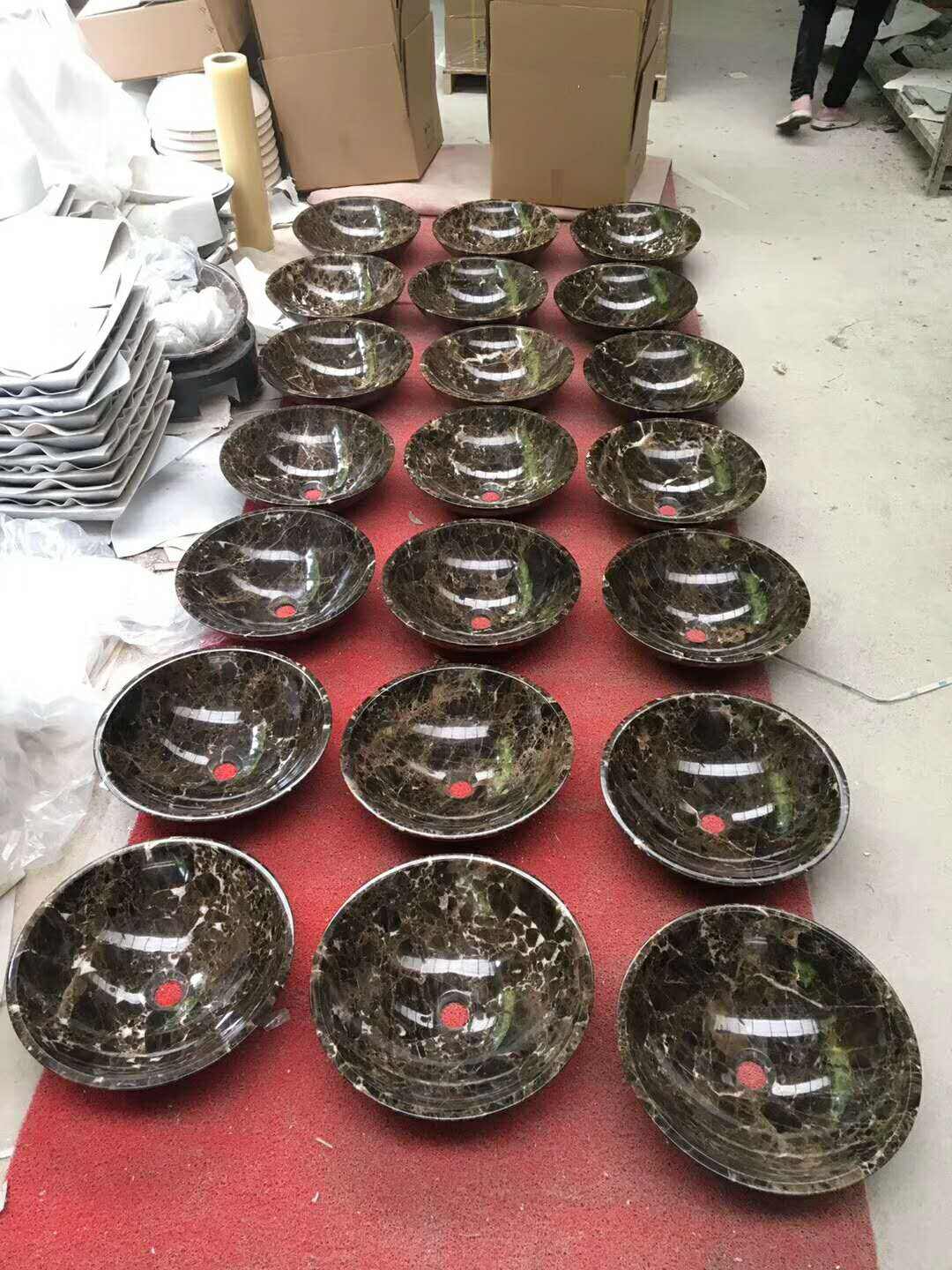
Why Marble Stone Sinks Require Specialized Cleaning
The Chemistry of Etching: How Acidic Substances Dissolve Calcium Carbonate
Most marble stone sinks are made up of around 90 percent calcium carbonate, which reacts pretty badly with acids. If something like lemon juice, vinegar, wine, or even tomato sauce gets on the surface, it starts a chemical reaction that eats away at the crystal structure inside. What happens next? Those beautiful shiny surfaces start developing dull, chalky spots almost instantly. These marks go down past half a millimeter deep and mess with the polished look right down to the molecules. Regular cleaning won't fix this kind of damage because it's not just on top. Etched areas need special treatment from professionals to get them looking good again. Marble ranks only 3 to 4 on the Mohs scale, making it about twenty times more sensitive to acids compared to granite. That means anyone with marble countertops or sinks needs to act fast whenever there's a spill, especially acidic ones, to stop further damage before it becomes permanent.
Abrasive Tools and Harsh Chemicals: Micro-scratching and Surface Dulling
Using abrasive pads or harsh cleaners on marble surfaces causes gradual microscopic damage over time. Take steel wool for instance it can actually scratch the surface creating tiny grooves around 5 microns deep with just one scrubbing motion. Bleach and other alkaline substances work differently but are equally damaging as they start breaking down the crystal structure within the stone. This combination leads to what's called hazing a cloudy appearance where light gets scattered due to those tiny imperfections beneath the surface. On the flip side, gentle microfiber cloths apply under 1 pound per square inch of pressure which is enough to clean without causing any micro fractures at all. Studies following industry standards indicate that when people stick to non abrasive cleaning methods, their marble maintains a shine level above 85 on the gloss scale. Compare that to poorly maintained marble which often drops below 60 on the same scale, making a big difference in how clean and cared for the surface looks.
Daily and Weekly Care for Marble Stone Sinks
pH-Neutral Cleaners and Microfiber Cloths: The Gold Standard for Routine Care
When doing routine cleaning, stick to pH neutral cleaners they work best at getting rid of soap scum, oil buildup, and those pesky light stains without making surfaces look worn out or cloudy. These should be used with soft microfiber cloths that won't scratch anything while still picking up dirt effectively. Go slow with circular movements to keep whatever shine there is intact. After cleaning, make sure to give it a good rinse and then wipe dry with another clean towel to avoid those annoying water spots everyone hates. Regular maintenance like this really makes a difference over time, keeping things looking newer for longer periods and cutting down on how often someone needs to call in professionals for deep cleaning sessions.
Immediate Spill Response Protocol for Lemon, Vinegar, and Other Acids
When acidic stuff gets spilled, quick action is really important. Blot it up instead of wiping around because otherwise those harsh chemicals just spread everywhere they shouldn't be. Get some cool water on the spot right away and let it run for about twenty seconds or so to wash away whatever acid might still be hanging around. Mix up some baking soda with water in roughly a one to three ratio and smear that over the affected area. Let it hang there for five minutes before rinsing once more. Finish off by drying everything thoroughly with a good quality microfiber cloth. If someone waits even just a couple minutes before cleaning up, the acid starts eating into whatever surface it landed on. Smart move? Keep a stash of baking soda and fresh rags within easy reach at the kitchen sink where accidents tend to happen most often.
Safe Stain and Hard Water Removal from Marble Stone Sinks
Hydrogen Peroxide and Baking Soda Poultices for Organic and Rust Stains
When dealing with those pesky organic stains like coffee spills, wine accidents, or food messes, plus those annoying rust spots, go for a poultice instead of reaching for something abrasive to scrub with. If the stain isn't too bad, just whip up some baking soda mixed with water until it forms a thick paste. But if we're talking about really stubborn stains or ones caused by rust, swap out the water for 6% hydrogen peroxide. The stuff works its magic by breaking down colors without leaving behind any acidic damage. Spread about a quarter inch thick on top of whatever needs fixing, slap some plastic wrap over it, then forget about it for somewhere around a day or two. While it's drying, the poultice actually pulls all sorts of nasties right out from where they've been hiding. Once dry, simply wipe everything away gently using a soft microfiber cloth dampened with warm water. And remember folks, no scrubbing allowed!
Gentle Descaling with Chelating Agents to Prevent Etching
Marble gets cloudy when exposed to hard water deposits, and using acidic cleaners only makes things worse by speeding up the etching process. The better approach? Go for pH neutral chelating agents such as EDTA, which grab onto those pesky calcium and magnesium ions without actually corroding the stone surface. Just apply this stuff where scaling appears, let it sit for around 5 to 10 minutes, then gently wipe away with something soft that won't scratch. Make sure to rinse everything off properly after cleaning and dry the area right away. Regular monthly maintenance keeps mineral buildup at bay before it turns into those annoying permanent etch marks, all while keeping that beautiful marble looking shiny and showing off its natural veins.
Sealing and Long-Term Protection of Marble Stone Sinks
Sealant Frequency, Application Technique, and Penetration Testing
Penetrating sealants form a moisture-resistant barrier that significantly delays stain absorption and slows etching progression. Reapply every 6–12 months depending on usage—high-traffic sinks near cooktops or dishwashers benefit from sealing every 6 months. To ensure effectiveness:
- Clean and fully dry the surface before application
- Apply sealant in thin, even layers using lint-free cloths
- Allow full curing as directed (typically 24–48 hours)
Test protection with a simple water droplet test: Place several drops on the surface. If absorption occurs within 10 seconds, reseal immediately; consistent beading for 30+ seconds confirms intact coverage. This low-effort ritual preserves both appearance and structural integrity, safeguarding your investment against costly restoration.
FAQ
How can I prevent etching on my marble stone sink?
Prevent etching by quickly cleaning acidic spills with water and baking soda, using pH-neutral cleaners, and avoiding harsh chemicals and abrasive tools.
How often should I reseal my marble stone sink?
Reseal high-traffic marble stone sinks at least every 6 months and others every 12 months to maintain effectiveness.
What should I do in case of a spill?
Immediately blot the spill, rinse with cool water, apply a baking soda paste for 5 minutes, then rinse and dry thoroughly.
Can household cleaners be used on marble sinks?
Only use pH-neutral cleaners on marble sinks to avoid damaging the surface.