
 EN
EN

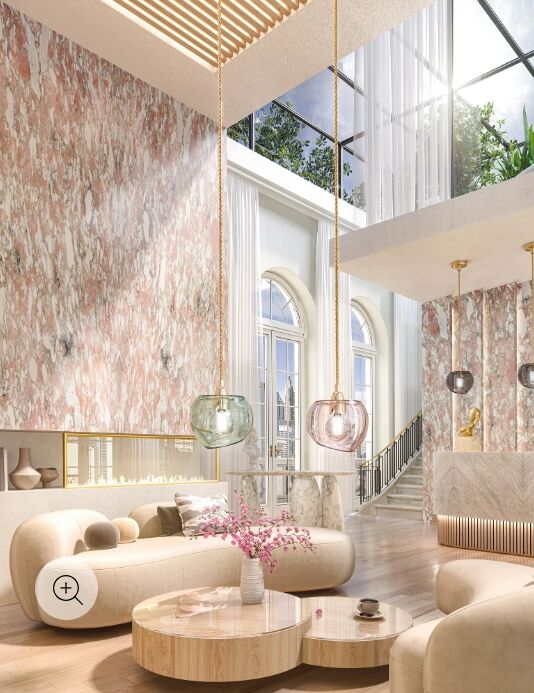
Why Marble Flooring Tiles Excel in High-Traffic Commercial Environments
Hardness, compressive strength, and real-world wear resistance of natural marble flooring tiles
Marble floor tiles stand up really well in tough commercial environments because of how they're made at a geological level. The stone has a Mohs hardness somewhere between 3 and 4, and can handle compression forces above 115 MPa. That means these floors last for many years even when subjected to constant walking by lots of people. We see proof of this durability in old buildings still standing today. Take the U.S. Supreme Court Building for instance, or the historic St. Pancras Renaissance Hotel in London. Their original marble floors are still working just fine after all those years, looking pretty much the same as when first installed. Synthetic flooring options tend to show signs of wear pretty quickly, but marble actually gains character over time through what's called a patina effect. Because marble has such a tight crystal structure, it resists impacts better than most materials. This makes it particularly good choice for busy places like airports, malls, and office complexes where things get dropped frequently or wheeled suitcases roll across surfaces all day long.
Mitigating porosity concerns through sealing, finishing, and installation best practices
Marble has this natural tendency to absorb stuff because it's porous, so it needs some serious attention if we want it to last in commercial settings. The good news is that today's sealing methods really work wonders for keeping things looking great over time. Those professional quality sealers that go deep into the stone should be put on right when the marble is first installed and then touched up every six months or so. They stop stains and water from getting inside while still letting the marble look exactly how it was meant to. Restaurant owners know this well since their front doors get hit with spills all day long. Honed finishes are actually safer there because they're not as slippery. Polished marble, on the other hand, shines beautifully in fancy stores where customers walk through and need to feel like they're somewhere special. Getting the installation right matters too. Epoxy grout stops water from moving under the surface, about 95% of the floor needs proper mortar coverage to avoid those annoying hollow spots nobody wants to hear when walking across, and expansion joints have to be spaced correctly so the marble doesn't crack when temperatures change. All these steps combined can cut down maintenance expenses by around 40% compared to what happens when people skip sealing or mess up the installation somehow. That means less money spent fixing problems later and marble that keeps looking amazing for years.
Aesthetic Value of Marble Flooring Tiles in Commercial Branding and Space Design
Veining, color variation, and surface finishes as strategic design elements
The natural veins running through marble floor tiles tell their own story, which is why so many architects and interior designers incorporate them intentionally into their projects. The variations are what make each installation special - think of the soft, wispy clouds in Carrara marble versus the striking black streaks in Calacatta. For spaces where subtlety matters most, like hospitals or office buildings, honed finishes work wonders. But when it comes to making a statement in hotel lobbies or boutique stores, nothing beats polished marble that bounces light around the room. How tiles are arranged makes all the difference too. Some designers match up the veins like puzzle pieces (called book-matching), others line up similar patterns across large areas. Proper sealing keeps those beautiful patterns intact without affecting how well the floor performs day after day. And regular cleaning with neutral pH products will maintain that fresh look for years to come.
Case-driven versatility: marble flooring tiles in corporate lobbies, luxury retail, and hospitality spaces
Big companies often go for those massive marble floor tiles in their lobby spaces because they want to look stable and successful. The fewer seams between tiles, the better it looks overall, and this helps establish that corporate authority vibe. For luxury stores, matching the veining patterns across adjacent slabs creates something almost like an art gallery atmosphere. This makes products stand out more and supports that upscale image customers expect. Hotels really get creative with marble too. Front desk areas take advantage of how warm marble feels when touched and its quiet elegance to create emotional connections with guests. A study came out last year in the Journal of Environmental Psychology showing that fancy materials can boost how good people think services are by nearly 30%. Spas love marble for different reasons. The material stays cool underfoot which adds to the relaxing feel while still holding up against regular wear and tear. No matter where it's used, marble lasts forever so brands don't have to worry about replacing it even with lots of foot traffic. That long life means businesses actually save money in the long run despite the higher initial cost.
Marble Flooring Tiles vs. Marble-Look Alternatives: Making the Right Commercial Choice
Performance, cost, and lifecycle analysis: natural marble flooring tiles versus premium porcelain
Commercial flooring choices often come down to aesthetics versus durability, and natural marble stands out for its genuine look. Each piece has those distinctive veins and color variations that no high-end porcelain tile can really match. But there's a catch when it comes to how these materials perform. Marble sits around 3 to 4 on the Mohs hardness scale, which means it can get scratched pretty easily and reacts badly to things like lemon juice or vinegar. That's why most people need to have their marble floors professionally sealed somewhere between six months and a year later. On the other hand, premium porcelain is basically stain proof because it doesn't absorb anything thanks to its dense composition. It scores much higher at 8 to 9 on that same Mohs scale, so it holds up way better against daily wear and tear plus all sorts of cleaning chemicals.
| Factor | Natural Marble Flooring Tiles | Premium Porcelain Tiles |
|---|---|---|
| Initial Cost/sf | $15–$50 | $8–$25 |
| Lifecycle Cost | Higher (requires periodic sealing, specialized cleaning, and restorative polishing) | Lower (minimal maintenance beyond routine sweeping/mopping) |
| Durability | Prone to etching in acidic environments (e.g., citrus spills, vinegar-based cleaners) | Chemically inert surface resists acids, alkalis, and UV degradation |
| Aesthetic Depth | Organic variations create irreplaceable depth and movement | High-fidelity replication lacks the randomness and luminosity of natural stone |
| Installation Complexity | Demands skilled setters, precise substrate prep, and moisture management | Compatible with standard commercial installation methods and substrates |
Looking at the full lifecycle costs, porcelain actually ends up costing about 30 to 50 percent less than marble over a 20 year period, even when we factor in that marble starts off more expensive upfront. For commercial spaces where luxury matters most in areas not seeing much foot traffic but needing to make an impression, like executive offices or fancy store displays, the extra work required to maintain marble might be worth it. On the flip side, busy places such as hotel hallways, shopping mall food courts, or airport terminals really need something tough enough to handle heavy traffic, shopping carts, shoes wearing down surfaces, and constant cleaning. Tests by industry experts have shown that porcelain can keep looking good after around five million people walk across it, while natural marble usually needs some serious polishing again somewhere between two to three million steps under similar conditions. When businesses decide between these materials, they're basically weighing how authentic and emotionally appealing the material feels versus how practical it is for day to day operations. That's why upscale brands still go with marble for their stores because it gives them that classic feel and sets them apart, whereas places with lots of visitors tend to stick with porcelain since it lasts longer and behaves more predictably over time.
FAQs
Why choose marble flooring for commercial spaces?
Marble flooring is chosen for its durability, timeless aesthetic, and ability to withstand high foot traffic, making it ideal for commercial spaces.
How often should marble flooring be sealed?
Marble flooring should be sealed every six months to maintain its appearance and protect against stains and moisture.
What are the main differences between marble and porcelain tiles?
Marble tiles offer organic beauty and are more prone to scratching and chemical damage, while porcelain tiles are more durable, stain-resistant, and cost-effective in the long run.
Can marble flooring fit all commercial designs?
Yes, marble's versatile finishes and color variations allow it to complete any commercial design, from luxury retail to corporate lobbies.