
 EN
EN

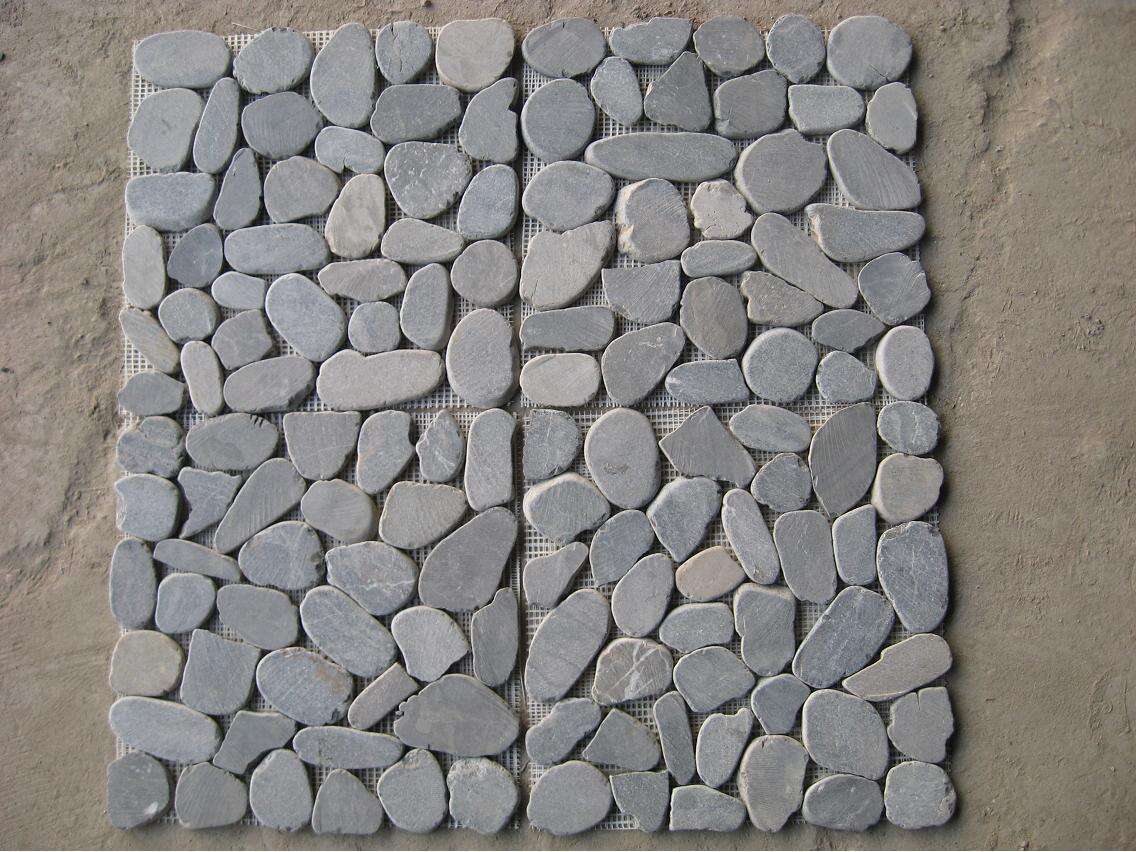
Daily and Weekly Cleaning Best Practices for Stone Mosaic Tiles
Using pH-Neutral Cleaners to Preserve Surface Integrity
Acidic or alkaline cleaners etch stone surfaces, causing irreversible clouding and texture degradation. pH-balanced solutions (7.0–8.5) maintain mineral integrity by matching stone’s natural chemistry. After sweeping debris, apply cleaner with microfiber cloths using gentle circular motions—never abrasive pads. Test new products on a hidden tile section first, as porous stones like travertine absorb chemicals differently than denser marble. Rinse thoroughly; residual cleaner attracts dirt and dulls surfaces. For weekly maintenance, dilute concentrates per manufacturer guidelines to avoid wax buildup that compromises clarity and reflectivity.
Why Mild Soap and Water Safeguards Natural Stone Longevity
Daily cleaning requires minimal intervention: warm water with three drops of castile soap effectively lifts light grease and dust without compromising sealants. This approach prevents harsh chemicals from degrading protective barriers over time. Use damp—never soaking—mops to limit water infiltration into grout lines. Dry immediately with lint-free towels to eliminate streaks and mineral deposits. Unlike vinegar-based alternatives—which cause gradual etching—this gentle regimen supports long-term vibrancy, aligning with mineralogical conservation principles for natural stone preservation.
Grout Sealing and Stone Tile Protection Strategies
Choosing and Applying Sealers for Stone Mosaic Tiles Based on Porosity
Stone mosaic tiles vary significantly in porosity—from dense granite to highly absorbent travertine—dictating sealer selection and application methods. Low-porosity stones like slate respond best to solvent-based sealers that penetrate micro-pores, while water-based formulations are ideal for medium-porosity marble. Before application:
- Perform a water-absorption test: droplets absorbed within 5 minutes indicate high porosity; no absorption after 10 minutes suggests low porosity.
- Clean tiles thoroughly and allow 24–72 hours to dry completely.
- Apply two thin, even coats using a microfiber applicator with consistent pressure—avoid pooling or over-application.
Leading manufacturers provide porosity ratings for their stone mosaic tiles, enabling precise sealer matching. Always follow the “wet look” test: if the stone darkens dramatically when wet, it requires an impregnating sealer—not a topical coating—for lasting protection.
Sealing Frequency Guidelines: High-Traffic vs. Low-Exposure Areas
Sealing intervals depend directly on environmental exposure and foot traffic. Regular inspections using the water-bead test determine when resealing is necessary:
| Area Type | Recommended Frequency | Critical Inspection Points |
|---|---|---|
| High-Traffic | Every 6–12 months | Entryways, kitchen floors, showers |
| Moderate Exposure | 1–2 years | Hallways, residential bathrooms |
| Low-Traffic | 2–3 years | Accent walls, decorative features |
Commercial kitchens and public restrooms often require quarterly sealing in splash zones. Regardless of schedule, immediately reseal any area where water ceases to bead within 10 seconds of surface contact—this signals compromised protection.
Stain Prevention and Safe Remediation for Stone Mosaic Tiles
Immediate Spill Response to Prevent Etching and Discoloration
Blot spills within minutes using a clean microfiber cloth—never wipe, which spreads contaminants. Liquids like wine, citrus juice, or coffee can etch unsealed surfaces if left longer than 15 minutes. For oils, apply cornstarch immediately to absorb residue, then gently brush away after 10 minutes. In kitchens—where acidic and oily spills are frequent—response within 5 minutes is critical to prevent permanent damage, per industry guidance from Citadel Stone.
Non-Damaging Stain Removal Techniques for Sensitive Stone Surfaces
Always test cleaners on an inconspicuous area first. For organic stains (coffee, tea, fruit juice), mix baking soda and water into a paste, apply for 15 minutes, then rinse thoroughly with pH-neutral cleaner and dry. Avoid vinegar, lemon juice, bleach, or ammonia—these corrode calcite and other natural minerals in stone. For stubborn pigment stains, use a gentle poultice made with kaolin clay and distilled water; apply, cover with plastic, and let sit for 24 hours before removal. When using pH-neutral cleaners, combine with soft-bristle brushing in circular motions to lift residue without abrasion. Dry thoroughly to prevent water spots or mineral deposits.
Long-Term Preservation: Protective Measures and Proactive Inspections
Safeguarding stone mosaic tiles for decades hinges on preemptive strategies—not reactive fixes. Conduct quarterly visual inspections to identify hairline cracks, loose tiles, or grout deterioration early; catching these issues promptly prevents water infiltration and structural compromise. Install felt pads under furniture legs to avert scratches, and use UV-filtering window films where direct sunlight falls, reducing thermal stress and color fading. Maintain consistent indoor humidity levels (40–60% relative humidity) using hygrometers, as drastic fluctuations cause expansion and contraction that weaken bonds. Implement entrance mat systems to trap abrasive particles—research shows high-traffic zones accumulate 80% more debris than protected areas. Schedule professional assessments biennially to test sealant efficacy and subsurface integrity, ensuring your investment retains both aesthetic and functional value.
FAQs
What type of cleaner is suitable for stone mosaic tiles?
It is recommended to use pH-neutral cleaners with a pH range of 7.0–8.5 to maintain the integrity of the stone surface.
How often should stone mosaic tiles be sealed?
The frequency of sealing depends on the traffic and exposure levels of the area. High-traffic areas may require sealing every 6–12 months, while low-traffic areas may need sealing every 2–3 years.
What should be done in the event of a spill on stone mosaic tiles?
Spills should be blotted immediately with a clean microfiber cloth to prevent etching and discoloration. Avoid wiping as it can spread contaminants.
How can stains be safely removed from stone surfaces?
For organic stains, a paste of baking soda and water can be applied for 15 minutes, followed by thorough rinsing with a pH-neutral cleaner. Avoid using harsh chemicals like vinegar or bleach.