
 EN
EN

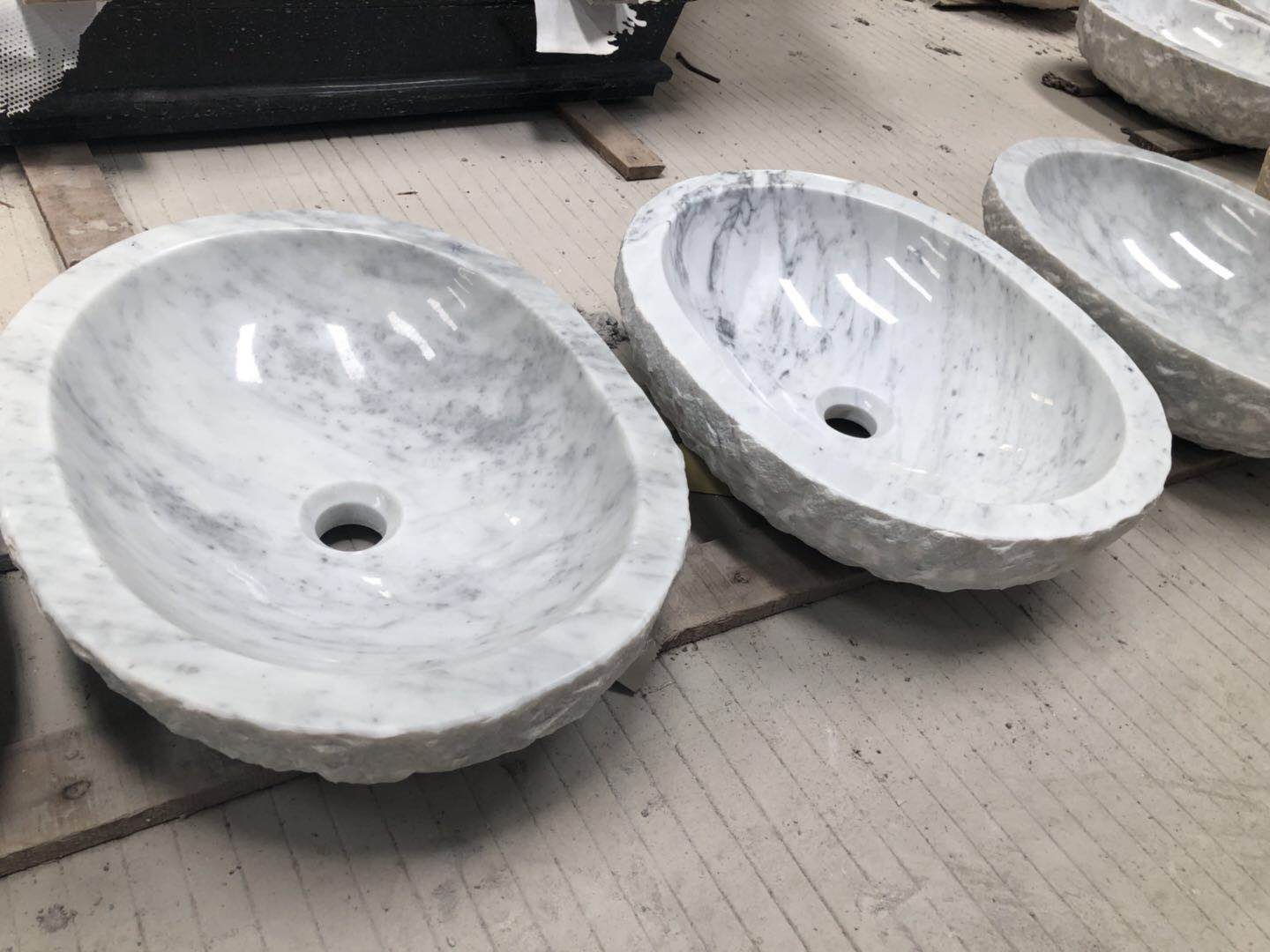
Why Carrara Marble’s Calcite Composition Makes It Highly Susceptible to Acidic Etching and Pigment Absorption
Carrara marble is predominantly composed of calcite, a mineral that reacts vigorously with acids. When acidic substances like lemon juice or vinegar contact the surface, they dissolve the calcite crystals, creating dull, whitish etches that are irreversible without professional honing. The stone's natural porosity, typically ranging from 0.5% to 2%, allows pigment molecules from coffee, wine, or oils to wick into the capillary network, causing deep stains that ordinary cleaning cannot remove. Unlike engineered quartz or granite, which resist acid, marble stone sinks demand immediate action because every second of exposure accelerates both chemical etching and physical absorption. The resulting damage is often mistaken for a water spot, but it is permanent and requires resurfacing. This vulnerability is why a swift spill response is the cornerstone of marble care.
The 30-Second Rule – Critical Response Window for Common Threats Like Wine, Citrus, Vinegar, and Coffee
In marble stone sinks, the first 30 seconds after a spill are the difference between a quick cleanup and a lasting blemish. Acidic beverages such as red wine, citrus juices, vinegar-based dressings, and coffee have pH values as low as 2.5 to 3.5, which instantly attack the calcite surface. A 2023 laboratory study by the Stone Care Institute found that undiluted lemon juice can etch a visible dull spot on Carrara marble in under 15 seconds. Coffee's dark pigments, meanwhile, can penetrate the stone's pores within 30 seconds, leaving a deep-set stain that ordinary cleaners fail to lift. Even a brief delay allows acid to etch microscopic craters and pigments to migrate deeper into the capillary network. That is why the 30-second rule is non-negotiable: blot the spill immediately, rinse with distilled water to dilute residual acid, and dry thoroughly. Timely action halts etching progression and prevents pigments from locking into the stone matrix.
Blotting – Not Wiping – with pH-Neutral Microfiber to Contain Stains and Avoid Lateral Migration
When a spill occurs, the instinct to wipe it away can spread the liquid and grind abrasive particles into the marble's surface. Blotting is the correct technique: press a clean, pH-neutral microfiber cloth directly onto the spill to absorb the liquid without lateral movement. This lifts the spill upward, preventing it from flowing into adjacent pores and causing a larger stain. Always use a microfiber free of chemical residues; pre-moistened wipes or household rags may contain acidic cleaners that worsen etching. For oily spills, place a damp cloth over the area for a few minutes to draw out the stain without smearing. After blotting up the bulk, rinse with distilled water and blot dry again. This method confines the stain to its original footprint, giving you the best chance to avoid visible damage. Remember, friction from wiping can also dull the polish, so blotting preserves both appearance and integrity.
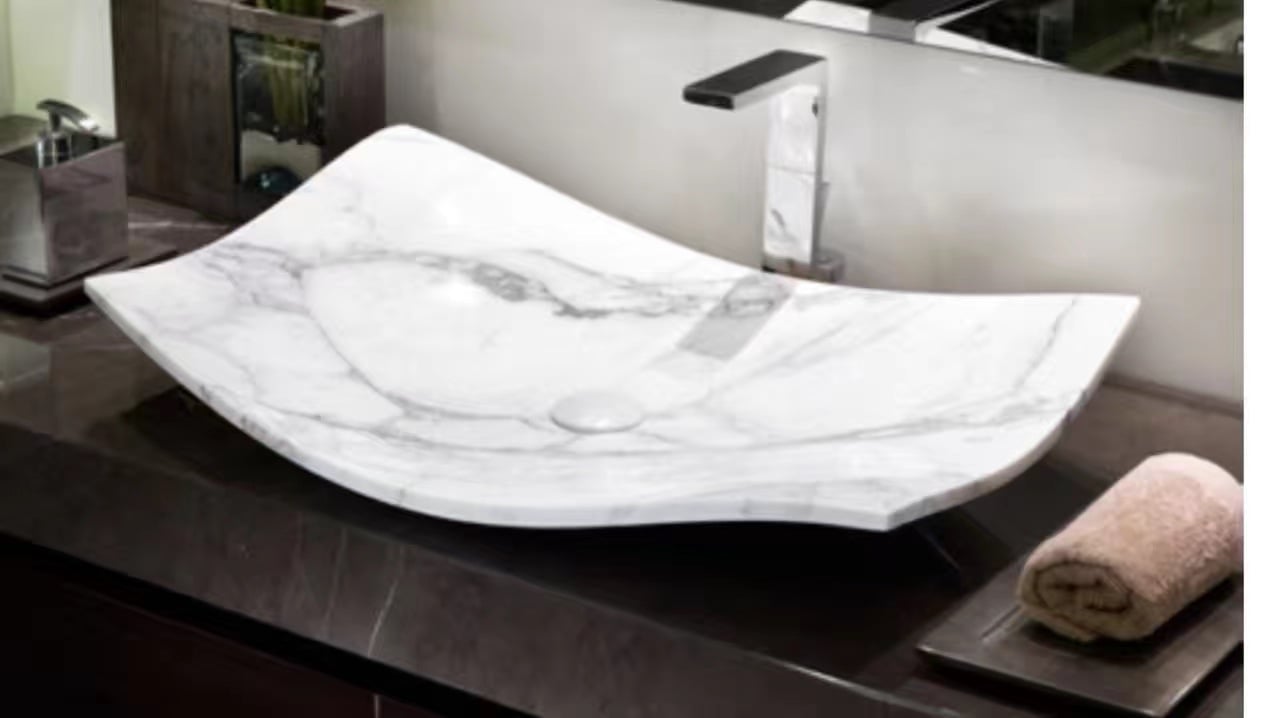
How Alkaline or Acidic Cleaners Disrupt Calcite Crystals – Causing Irreversible Dullness and Micro-Pitting
Carrara marble's dominant calcite mineral reacts instantly with acidic substances, dissolving the crystal surface in a process called etching. Even a single exposure to vinegar, citrus juice, or harsh bathroom cleaners leaves a permanent dull mark that cannot be removed by polishing alone. Alkaline cleaners are equally damaging: they degrade the stone's natural binder and any applied sealant, leading to micro-pitting, tiny crater-like pores that trap soil and moisture. Over time, repeated chemical attack creates a rough, cloudy appearance that deepens the damage. Because calcite does not regenerate, the resulting loss of the original smooth, lustrous finish is irreversible without professional resurfacing. Maintaining a strict pH-neutral cleaning routine is the only way to preserve the integrity and beauty of marble stone sinks.
Trusted pH 7.0 Solutions – Distilled Water and Stone-Safe Surfactants for Daily Maintenance
A pH-neutral cleaner safely lifts daily grime without triggering the chemical reactions that harm calcite. The most effective routine combines distilled water, which leaves no hard-water mineral deposits, with a surfactant-based stone cleaner specifically engineered for marble. Use a product clearly labeled as pH-neutral and free of acids, bleach, ammonia, or phosphates. Apply it with a soft microfiber cloth, gently wiping the sink surface, then rinse thoroughly with distilled water and immediately dry with a fresh cloth to prevent spotting. Daily use of this simple, non-aggressive protocol ensures the marble's sealant remains intact and the stone's natural polish is preserved for years, keeping marble stone sinks free from etching and micro-pitting.
Resealing Schedule Calibrated to Real-World Use – Every 6 to 12 Months Depending on Sink Traffic, Humidity, and Exposure
A one-size-fits-all sealing interval risks under-protection or unnecessary reapplication. For marble stone sinks, a resealing cadence of every 6 to 12 months aligns with residential and commercial use patterns. High-traffic bathroom sinks exposed to hard water, soap residues, and daily humidity may require the shorter end of the range. In contrast, a guest powder room sink with infrequent use can safely extend to 12 months. Environmental factors such as persistent dampness, poor ventilation, or proximity to acidic toiletries accelerate sealer breakdown. Monitoring the water-drop test provides a reliable indicator: if water no longer beads on the surface, a fresh application of penetrating sealer is overdue. This proactive schedule preserves the stone's resistance to staining and etching without over-engineering the maintenance routine.
Why Penetrating Impregnators Outperform Topical Sealers for Stain Resistance Without Altering the Natural Look
Topical sealers form a film on the surface that can yellow, peel, or trap moisture, ultimately accelerating damage. Penetrating impregnators based on silane or siloxane chemistry bond below the surface within the pore structure, creating a hydrophobic and oleophobic barrier without changing the stone's color, texture, or vapor permeability. For marble stone sinks, this means the natural veining and soft luster remain intact while the calcite-rich stone is shielded from oil, water, and mild acids. Unlike surface coatings, these impregnators do not alter slip resistance or require frequent stripping. Professional-grade silane and siloxane formulations deliver consistent protection for 6 to 12 months, clearly outperforming topical alternatives by preserving both aesthetics and long-term stone integrity.
Proactive Physical Barriers – Sink Grids, Rubber Mats, and Environmental Controls
Even with immediate spill response and pH-neutral cleaning, physical damage remains a persistent threat to marble stone sinks. Heavy pots, dropped utensils, or abrasive scouring can leave scratches, chips, or micro-fractures that trap moisture and accelerate staining. Installing a custom-fit stainless steel or silicone sink grid creates a cushioning layer that distributes weight and prevents direct metal-to-stone contact. When washing large cookware, place a rubber mat or thick silicone trivet in the basin to absorb impact, a small habit that prevents the kind of blunt force that often leads to costly repairs. Environmental factors also play a subtle but significant role. In bathrooms, persistent humidity and hard-water residue can slowly degrade sealers and encourage mineral buildup along the rim. Running a ventilation fan during and after showers and wiping down the sink with a dry microfiber cloth after each use keeps the surface dry and reduces the risk of efflorescence. In kitchens, avoid placing hot pans directly on the marble, while the stone itself withstands heat, sudden thermal shock can stress the calcite structure and potentially cause hairline cracks over time. A simple cork trivet or folded towel serves as a reliable thermal break. By combining these low-cost physical barriers with mindful daily habits, you preserve the polished, veined beauty of Carrara marble without altering its natural character.
Frequently Asked Questions
Why is Carrara marble vulnerable to etching and staining? Carrara marble is composed predominantly of calcite, which reacts with acids and absorbs pigments due to its natural porosity. This makes it susceptible to etches and stains if spills are not promptly addressed.
What is the 30-second rule for spill response on marble sinks? The 30-second rule emphasizes immediate action after a spill, such as blotting the area, rinsing with distilled water, and drying to prevent permanent etches or stains from developing.
Why is blotting recommended over wiping for marble spill cleanup? Blotting absorbs spills without spreading the liquid or grinding abrasive particles into the surface, which reduces the risk of further damage or dulling the stone's polish.
What cleaning solutions are safe for marble stone sinks? pH-neutral cleaners, like distilled water combined with stone-safe surfactants, are ideal for daily maintenance. Avoid acidic or alkaline cleaners, which can etch or degrade the stone.
How often should a marble sink be resealed? Depending on usage and environmental conditions, marble sinks should be resealed every 6 to 12 months. The water-drop test can indicate when resealing is needed.
What type of sealer is best for marble sinks? Penetrating impregnators made with silane or siloxane chemistry are the most effective as they protect the stone without altering its natural appearance or texture.
How can I prevent physical damage to a marble sink? Use sink grids, rubber mats, or silicone trivets to cushion impacts and avoid scratches or chips. Also, maintain gentle cleaning practices to preserve the surface.