
 EN
EN

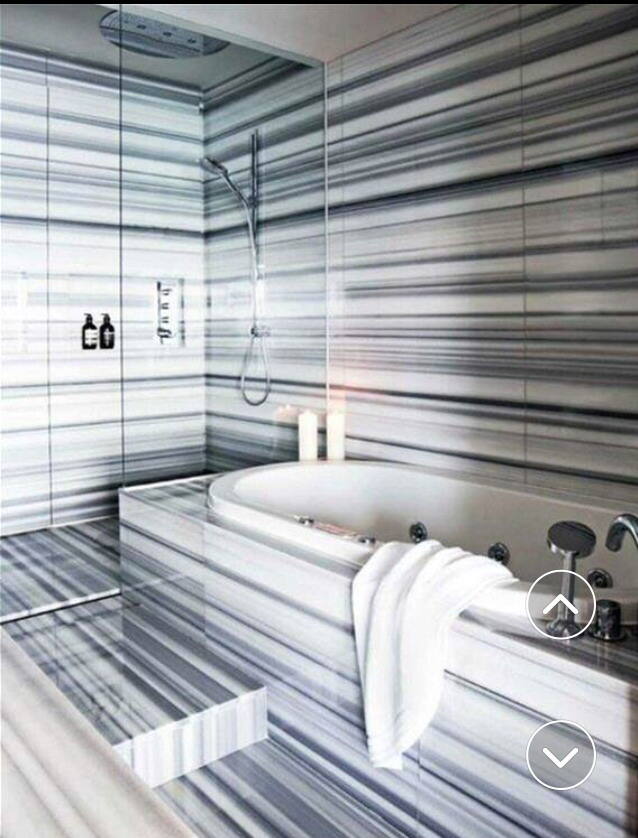
Why Marble Tiles Are Preferred for High-End Commercial Interiors
Marble tile brings real luxury to high-end commercial spaces, blending classic beauty with lasting strength that stands up to daily wear and tear. The unique veins running through each slab and its natural shine make an immediate statement in hotel lobbies, shopping centers, and restaurant entrances, helping brands project a sophisticated image without trying too hard. What many don't realize is how tough marble actually is underfoot. With regular cleaning and maintenance, these floors can last generations even in busy spots where thousands walk past every day. Marble also reflects light in ways that make rooms feel bigger and brighter, cutting down on electricity bills since less artificial lighting is needed compared to duller materials. For business owners looking to create memorable spaces while keeping expenses reasonable over time, investing in quality marble flooring often pays off both visually and financially in the long run.
Marble Tile Applications in Hotels: Luxury, Function, and Real-World Performance
Lobby and Bathroom Installations in Five-Star Properties
Marble tile has become synonymous with luxury in hotel lobbies and upscale bathrooms, places where guests form their first lasting impressions. The gleam of polished marble flooring makes a strong statement at entryways, while those beautiful veins running through wall tiles can transform an ordinary bathroom into something special in top-tier suites. Many five star hotels are going bigger these days, opting for massive marble slabs measuring around 600 by 1200 millimeters or even larger to create that continuous look without visible seams. But there's a catch. Natural marble soaks up water easily, which is why smart hoteliers are turning to sealed versions or sometimes switching to porcelain altogether for shower areas. Sure, real marble costs a pretty penny, but when budget allows, it brings a level of elegance that just can't be matched. And let's not forget proper installation matters too. Without good epoxy grout work and proper waterproofing membranes, all that beauty turns into a maintenance nightmare in what are supposed to be the hotel's crown jewels.
Durability and Maintenance in High-Traffic Hospitality Zones
Marble tiles work really well in areas where lots of people walk through them as long as they get proper care. Most lobby floors can handle around 2000 footsteps each day thanks to how resistant they are to scratches. When it comes to safety, many facilities actually prefer the honed finish over shiny polished ones because they're less slippery. According to reports from flooring experts, marble that's been properly sealed can last for several decades without major issues. The surfaces typically need some touch-ups every five to seven years or so in hotel hallways and similar spaces. What works best often depends on exactly where the tiles are installed too.
- Restaurant floors: Daily dry mopping with pH-neutral cleaners prevents etching
- Pool decks: Biannual sealing with penetrating protectants
- Elevator lobbies: Protective mats reduce abrasive wear
According to ASTM C503 standards, premium marble achieves Class A abrasion resistance, validating its viability for commercial applications despite higher upkeep than porcelain alternatives. Strategic placement in moderately trafficked premium areas (e.g., concierge desks) optimizes longevity while preserving luxury ambiance.
Marble Tile Applications in Malls and Retail Environments
Design Impact: Light Reflection, Veining, and Spatial Enhancement
Marble tiles really change how retail spaces feel because they play with light so well. The shiny surface can actually boost regular store lighting by around 40 percent, which cuts down on electricity bills while making shops look bright and welcoming. The natural veins in marble act like artwork, adding depth that subtly directs shoppers through aisles and along mall walkways. Light colored marbles such as Bianco Carrara make small spaces seem bigger than they are, whereas the striking gold veins in Calacatta create eye-catching spots perfect for showcasing expensive items. Designers love working with these properties since they let them build shopping environments where the way light bounces off the stone and the unique patterns tell stories about quality and exclusivity without stealing attention from what's being sold.
Footfall Resistance and Long-Term Surface Integrity
Marble tiles hold up really well in busy retail areas thanks to their dense composition around 2.5 to 2.7 grams per cubic centimeter and good sealing practices. These floors can handle over 15 thousand feet stepping on them every day without showing signs of wear. The honed finish is particularly important for places like food courts where people might slip, as it meets ASTM C1028 standards for traction. Plus, the crystal structure inside the stone helps resist those annoying dents left behind by rolling display stands or heavy equipment. Keeping these floors looking good requires regular cleaning with pH neutral products and occasional diamond polishing every couple years. Studies indicate that properly maintained marble floors last at least 25 years in shopping malls. For budgets that need something cheaper but still stylish, there's porcelain stoneware that looks like marble. It holds up better against impacts but doesn't have the same heat handling properties as real marble nor does it develop that beautiful aged appearance over time that makes natural stone so appealing.
Selecting the Right Marble Tile for Commercial Projects
Key Criteria: Color, Finish, Slip Resistance, and ASTM Compliance
When selecting marble tile for hotels or malls, prioritize four non-negotiable factors:
- Color consistency, ensuring uniform aesthetics across large installations
- Finish (polished, honed, brushed), which balances visual appeal and functionality—polished surfaces amplify light but require anti-slip treatment in wet areas
- Slip resistance, measured by Dynamic Coefficient of Friction ≥ 0.42, critical for ADA compliance and safety in lobbies or pool decks
- ASTM compliance, validating structural integrity: ASTM C503 covers dimensional stability, while ASTM C1028 tests slip resistance
Marble-Effect Porcelain Stoneware: A Durable, Cost-Effective Alternative
For high-traffic zones like mall corridors, marble-look porcelain tiles offer superior resilience at 30–50% lower lifetime costs. Key advantages include:
- Enhanced durability: Porcelain rates 7–8 on the Mohs scale versus natural marble’s 3–5
- Lower maintenance: Near-zero porosity (≤ 0.5% water absorption) prevents staining without sealants
- Consistency: Digital printing replicates veining patterns uniformly across batches
Leading manufacturers now offer porcelain mimicking Statuario, Calacatta, and Carrara variants with PEI IV/V ratings for commercial footfall.
FAQ
What are the advantages of using marble tiles in commercial interiors?
Marble tiles offer a luxurious appearance while providing durability and longevity. They reflect light, making spaces appear larger and brighter, and they create a sophisticated atmosphere.
Are marble tiles expensive to maintain?
Marble tiles require regular cleaning and occasional re-sealing. Despite higher maintenance costs compared to alternatives like porcelain, their beauty and longevity often outweigh the upkeep expenses.
What are the slip resistance standards for marble tiles?
The Dynamic Coefficient of Friction should be ≥ 0.42 for commercial settings, meeting safety standards such as ADA compliance.
Is porcelain a good alternative to marble for high-traffic areas?
Yes, porcelain stoneware offers enhanced durability, lower maintenance, and cost-effectiveness for high-traffic areas, often replicating the look of natural marble.