
 EN
EN

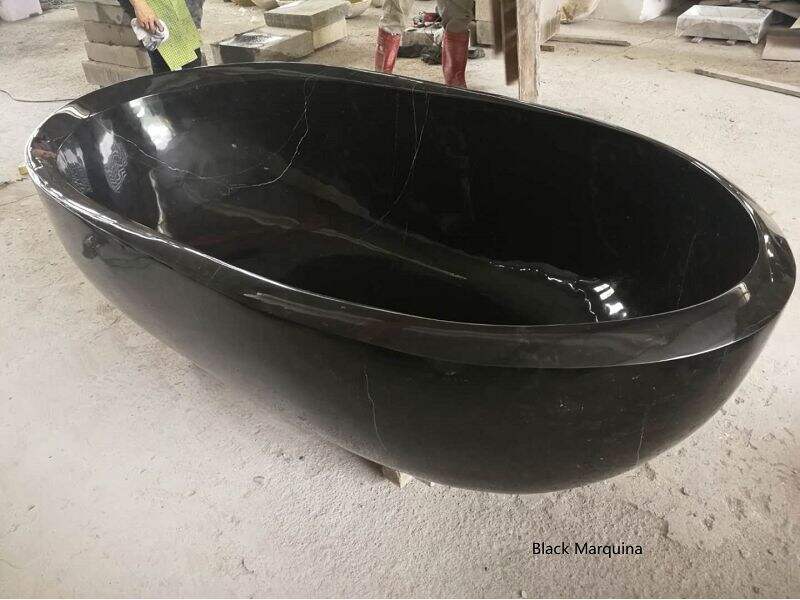
Thermal Performance: How Luxurious Marble Bathtub Heat Retention Compares to Acrylic and Cast Iron
Marble's Natural Density and Thermal Mass: Warmth Retention Advantages Over Acrylic
Marble bathtubs are known for their ability to hold heat better than acrylic ones because of their natural density, which ranges between about 2,500 to 2,800 kg per cubic meter. The difference is pretty noticeable when looking at how quickly each material cools down. Acrylic tubs tend to lose around 3 degrees Celsius within just 15 minutes after filling them up. Marble on the other hand keeps water warm for roughly 40% longer. This happens mainly due to marble's lower thermal conductivity rate of 2.8 W/mK compared to acrylic's much higher 0.2 W/mK. Basically, marble doesn't let heat escape as fast into the surrounding air. Most people who have used acrylic tubs know they can get cold pretty quickly since these materials are generally thinner and don't retain heat well. That's why many folks end up needing to reheat their bathwater if they want to enjoy a longer soak session.
Cast Iron as the Benchmark: Why It Outperforms Both in Sustained Heat (ASTM-C1036 Verified)
When it comes to holding onto heat, cast iron is pretty much the gold standard in the industry according to ASTM-C1036 tests on thermal performance. What makes this material so good at what it does? Well, think about how dense it actually is - we're talking around 7,200 kg per cubic meter here. Plus there's that special vitreous enamel coating which acts kind of like a built-in thermal battery. The result? Heat stays put for roughly twice as long compared to marble surfaces and even three times longer than those acrylic ones we see everywhere these days. Just look at the numbers: water temperature drops only about 1 degree Celsius every half hour when using cast iron cookware, whereas marble lets it drop double that amount over the same time frame. This impressive heat retention isn't magic though; it's all thanks to the material's massive volumetric heat capacity of 3.6 MJ per cubic meter Kelvin combined with walls typically measuring between 6 to 10 millimeters thick.
Durability & Structural Integrity: Evaluating Long-Term Resilience of Luxurious Marble Bathtub, Acrylic, and Cast Iron
Solid vs. Cultured Marble: Impact Resistance, Cracking Risk, and EN 14527 Test Insights
Marble bathtubs made from real stone are super dense and really tough against scratches, but those pretty mineral streaks inside make them prone to cracks when something hard hits them. Cultured marble takes crushed stone and mixes it with special resins, creating a material that flexes a bit more and handles regular wear and tear better. Tests following EN 14527 standards show that these cultured versions can take about 35 percent more force before cracking compared to solid stone tubs. Still worth noting though, both kinds of marble can get damaged by sudden temperature changes which cause tiny fractures over time. When installing a fancy marble tub, getting proper support underneath the whole floor area matters a lot. Without good subfloor reinforcement, concentrated pressure points will slowly weaken the structure through years of use.
Acrylic's Flexibility vs. Cast Iron's Rigidity: Trade-Offs in Load Handling and Installation Stress
The lightweight nature of acrylic makes it easier to install, though this same quality means we often need extra support structures to keep things from sagging when water sits on top all day long. Because acrylic is basically a type of plastic, it can bend just enough to handle small shifts in flooring over time, which actually works out pretty well sometimes. But watch out those who don't give proper support will end up with warped surfaces that never go back to normal shape again. Now cast iron tells a different story altogether. This stuff is rock solid and can hold hundreds of pounds without so much as a dent, but boy does it weigh a ton! Most older homes aren't built to handle that kind of weight without some serious upgrades first. And let's not forget about how brittle it gets once cooled down after manufacturing. Drop one during shipping or mishandle it somehow and good luck getting rid of those pesky chips in the finish. So what's the bottom line? For quick fixes or second floors where weight matters, go with acrylic. But if budget isn't an issue and we're talking about main bathrooms on the ground floor with strong foundations already in place, cast iron remains king despite all the headaches.
Maintenance, Surface Longevity, and Aesthetic Consistency Across Materials
Etching, Chipping, and Haze: Material-Specific Vulnerabilities to Cleaners, UV, and Abrasion
Different materials come with their own set of problems that need special attention. Take marble bathtubs for instance they get ruined pretty quickly by acidic stuff like vinegar or lemon juice based cleaners. The surface just loses its shine almost instantly after contact. Acrylic tubs are better at resisting those chemicals, but they have other issues. They crack when something heavy falls on them, and over time they start turning yellow if left in sunlight too long. Cast iron tubs handle scratches really well, which is great, but watch out for impacts they chip easily. And don't forget to dry them off right away or else rust will begin to form on the surface. Keeping these things in mind makes all the difference in maintaining any kind of bathtub properly.
- Marble: pH-neutral cleaners only; regular sealing to resist hard-water haze
- Acrylic: Non-abrasive pads; UV-filtering window treatments where possible
- Cast iron: Prompt drying after use; enamel touch-up kits for chip repair
10-Year Finish Degradation Study: Gloss Retention and Real-World Appearance Stability
Looking at how materials age over time tells us they behave quite differently. Cast iron holds onto most of its shine for about ten years, around 95 to 98 percent actually. This is because of that tough glass-like coating on top, something the ASTM C1036 standard has tested and confirmed. Acrylic surfaces stay pretty good too, keeping roughly 80 to 85 percent of their original gloss. The plastic doesn't turn yellow much, but small scratches do build up as time goes on. Marble is another story entirely. Its shine drops off sharply, down to just 70 or so percent after a decade. Polished marble gets etched easily and those beautiful veins start looking blurry. The honed finish version stands up a bit better to everyday wear and tear though. Field observations back up all these findings, which makes sense when thinking about marble's look. Those brilliant surfaces need constant care and careful handling if we want them to keep looking amazing year after year.
FAQ
Are marble bathtubs better at retaining heat than acrylic ones?
Yes, marble bathtubs retain heat more efficiently than acrylic ones due to their higher density and lower thermal conductivity.
How does cast iron's heat retention compare to marble and acrylic tubs?
Cast iron holds heat better than both marble and acrylic tubs, making it the industry standard for sustained warmth.
What are the structural risks associated with marble bathtubs?
Marble bathtubs, especially solid ones, are prone to cracking due to impact or sudden temperature changes.
How should marble bathtubs be maintained to prevent damage?
Marble bathtubs should be cleaned with pH-neutral cleaners and regularly sealed to prevent damage and maintain shine.