
 EN
EN

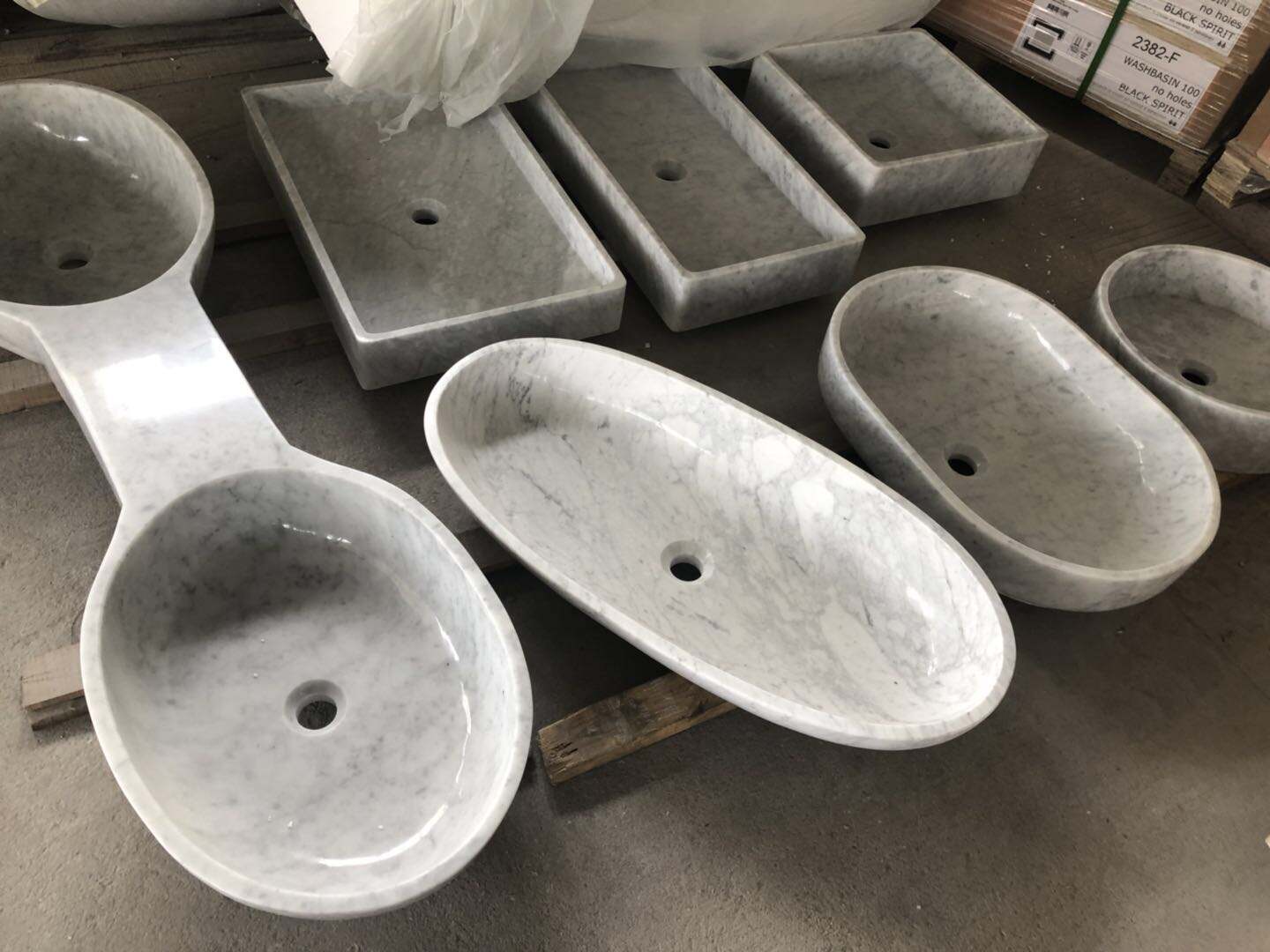
Why Marble Stone Sinks Elevate Design and Function
Marble stone sinks have this amazing way of turning ordinary bathrooms and kitchens into something really special. The natural beauty comes through in every piece, with those distinctive veins running throughout the stone. Think about Calacatta marble with its striking gold lines or Carrara's softer gray patterns creating visual interest that makes these spaces stand out. People often mistake them just for looks, but marble is actually pretty tough stuff too. When cared for right, it handles heat and knocks without showing damage over time. A recent study from the National Stone Institute (2023) found that properly sealed marble lasts about 30% longer under normal use compared to man-made materials. So while they definitely look luxurious, marble sinks also make good sense financially speaking since they tend to last decades rather than years.
Marble's cool surface temperature actually works wonders in kitchen settings too, helping fruits and vegetables stay fresh while being prepped. Marble does need some maintenance though since it's porous stuff. Regular sealing keeps things under control, and interestingly enough, this process actually makes the stone look better with age as the colors deepen and develop character without making it any less sanitary. Many designers nowadays are going for a clean look by matching marble sinks with simple fixtures that let those beautiful veins stand out naturally. These sinks really do manage to combine classic beauty with modern practicality in ways that feel both stylish and sensible for today's homes.

Natural veining creates unique visual depth
Selecting the Ideal Marble Type for Your Stone Sink
Choosing the right marble variety ensures your sink harmonizes with your space while meeting practical demands. Key considerations include veining patterns, structural resilience, and maintenance needs—each marble type offers distinct advantages.
Calacatta, Carrara, and Danby: Comparing Veining, Density, and Durability
Calacatta marble really catches the eye with those big, bold veins running through its pure white surface, making any space feel extra fancy. The thing is, this type isn't super dense so it needs regular sealing to keep acids from damaging the stone over time. Carrara has those softer gray veins that aren't as showy, plus it's usually cheaper than Calacatta. But watch out because Carrara tends to soak up spills easier since it's more porous. Danby marble deserves special mention though. With a density around 2.7 grams per cubic centimeter and hardly any visible veins, Danby just doesn't chip as easily and stays dry when wet stuff gets on it, which makes it great for areas where moisture is a problem.
| Feature | Calacatta | Carrara | Danby |
|---|---|---|---|
| Veining | Dramatic, gold | Soft, linear | Minimal, uniform |
| Density | Moderate | Low-moderate | High |
| Stain Resistance | Requires sealing | High maintenance | Naturally resilient |
For high-traffic kitchens, Danby’s durability reduces long-term upkeep, while Calacatta elevates formal bathrooms despite needing careful maintenance. Carrara suits budget-conscious projects where gradual patina development is acceptable. Regardless of type, professional sealing is essential to preserve your marble stone sink’s integrity against daily wear.
Finishes, Sealing, and Surface Longevity for Marble Stone Sinks
Honed vs. Polished: Aesthetic Impact and Practical Maintenance Trade-offs
The matte finish of honed marble gives off that soft, almost velvet feel which hides those little scratches and etch marks so well. Great choice for folks wanting something simple yet elegant in either a country style room or modern space. The downside? These surfaces soak up spills pretty fast, so anyone who pours coffee on them better grab a cloth quick before it leaves a permanent mark. Polished marble tells a different story altogether. Its shiny surface really makes those beautiful veins pop out and stands up better against stains at first glance because the material is tighter packed together. But watch out for those water rings and acid damage from things we all have around the house like lemon juice or even regular old vinegar. When it comes to upkeep, these two types couldn't be more different. Honed marble needs regular sealing treatments to stop it from drinking in whatever gets spilled on it. Polished marble requires constant wiping down to keep that glassy look going. And no matter which type someone picks, they should stick strictly to neutral pH cleaners if they want their marble to last through many years of family gatherings and holiday parties.
Sealing Best Practices: Balancing Protection, Patina, and Porosity Management
Sealing marble properly helps fight off its natural tendency to absorb stuff, which is basically how we prevent those nasty stains, etch marks, and water damage. Most folks go with penetrating sealers because they work invisibly while keeping the stone looking natural and stopping oils and liquids from getting in. The general rule is to apply sealant somewhere between six months and a year apart, though kitchen sinks need more frequent treatment since they deal with acidic substances and scrubbing on a daily basis. Before applying any sealant, make sure the surface is completely dry and cleaned with something neutral in pH balance so it sticks properly. Stay away from harsh scrub brushes and strong alkaline cleaners as these can actually break down the sealant over time. Regular sealing does more than just extend the life of the marble though. It lets the stone develop its own unique look naturally, where minor wear adds character instead of ruining the whole thing. Keep in mind that even with good sealing, nothing makes marble totally immune to stains. That's why cleaning up spills quickly still matters a lot for maintaining both appearance and function.
Installation Considerations: Size, Sink Type, and Structural Support
Vessel, Undermount, and Integrated Designs — Compatibility with Cabinetry and Countertops
The sink design choice really affects how well it works and looks in the overall bathroom setup. Vessel sinks make great centerpieces visually, though they need taller faucets and some extra room around them. These work best when installed on stone countertops since there's less cutting required for installation. Undermount options blend right into solid surfaces such as quartz or granite countertops, making cleaning easier but also requiring very accurate measurements and strong adhesive products during installation. When going for integrated sinks that come from the same slab material as the countertop, the result is super smooth and continuous appearance. However, these typically need special manufacturing processes which can drive up costs significantly. Always check those cabinet measurements twice before ordering anything. The depth needs to fit all the pipes underneath properly, and don't forget about leaving at least four inches free space on either side of the sink area for practical use.
Weight Handling and Professional Installation Requirements for Marble Stone Sinks
Natural stone sinks average 60–90% heavier than composite alternatives, demanding reinforced cabinetry. A typical marble stone sink exceeds 200 pounds, necessitating structural assessments before installation. Steel braces or plywood reinforcement frames prevent cabinet deformation over time. Professional installers apply specialized techniques:
- Using industrial-grade silicone sealants resistant to moisture and temperature shifts
- Precise leveling to distribute weight evenly and prevent stress cracks
- Double-checking drain alignment to avoid leverage pressure
| Factor | DIY Risk | Professional Solution |
|---|---|---|
| Weight Distribution | Cabinet sagging or failure | Custom reinforcements and load testing |
| Seal Integrity | Water seepage behind stone, leading to rot or mold | Multi-layer sealing protocols with moisture barriers |
| Leveling Accuracy | Uneven pressure points causing microfractures | Laser-guided alignment and torque-controlled fastening |
Attempting self-installation risks irreversible damage to countertops, cabinetry, or plumbing systems—and may void manufacturer warranties. Always engage certified stone fabricators and licensed plumbers familiar with natural stone load requirements.
FAQ Section
Why should I choose a marble stone sink?
Marble stone sinks offer a combination of natural beauty, durability, and luxury. They elevate the design of bathrooms and kitchens while also providing longevity when properly sealed and maintained.
How do I maintain a marble sink?
Regular sealing is necessary due to marble's porous nature. Use neutral pH cleaners and clean spills immediately to maintain both appearance and function.
Which type of marble is best for sinks?
Calacatta, Carrara, and Danby offer different advantages. Calacatta is visually striking, Carrara is budget-friendly but porous, and Danby offers durability and resilience.
What precautions are needed when installing a marble sink?
Marble sinks demand reinforced cabinetry due to their weight. Professional installation is recommended to ensure proper weight distribution, seal integrity, and leveling accuracy.