
 EN
EN

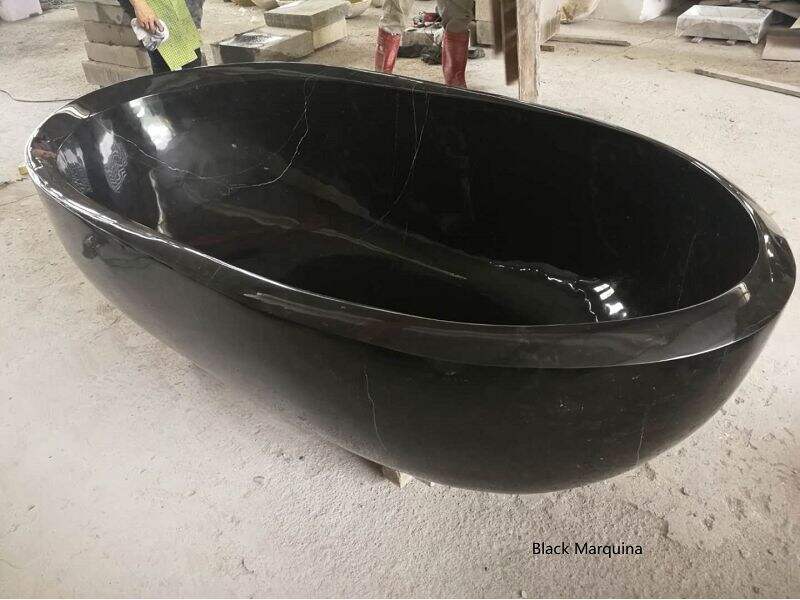
Why Luxurious Marble Bathtubs Demand Specialized Care
The science of calcium carbonate: How acidity causes irreversible etching
Marble is mostly made up of calcium carbonate, which reacts pretty strongly when it comes into contact with acids. When people clean their marble bathtubs with things like vinegar or lemon juice based products, they're actually causing a chemical reaction that eats away at the surface of the stone. This happens because of something called etching. What results from this are those annoying dull patches and rough areas on what was once a smooth, shiny surface. The problem isn't just limited to strong acids either. Regular soaps leave behind residues that contain mild acids, and even normal humidity levels in bathrooms can slowly wear down marble surfaces over months or years. To avoid all this trouble, experts recommend sticking strictly to pH balanced cleaning products for marble care. Studies have shown that once marble drops below pH level 5, its structure starts breaking down, according to findings published by Material Stability Index back in 2023.
Porosity and polish: Why stains, scratches, and dulling occur so easily
Marble isn't like plastic or resin countertops. The stone naturally drinks in liquids fast - wine spills, bath oils, those colorful shower gels all sink deep into the surface and leave behind tough stains that sit below the surface. Marble ranks around 3 to 5 on the Mohs scale, which means it gets scratched easily by anything rough, including regular bathroom scrub brushes or even old towels left lying around. Add some acidic cleaner to the mix and watch how quickly the damage shows up. Industry pros have seen marble tubs last only about 40% as long as they should when owners clean them wrong or too roughly. Keeping marble looking good takes discipline though. Use only soft microfiber cloths, wipe up messes right away before they set in, and don't forget to seal the surface once a year to keep those pores from opening up again.
Step-by-Step Gentle Cleaning Protocol for a Luxurious Marble Bathtub
Daily maintenance: pH-neutral cleansers and soft microfiber technique
Daily upkeep preserves your luxurious marble bathtub by neutralizing surface contaminants before they bond or penetrate. Follow this streamlined 3-minute routine:
- Spray a marble-specific, pH-neutral cleaner (alkaline/acid-free) onto a damp surface
- Gently wipe with a lint-free microfiber cloth using overlapping circular motions—never scrub or press
- Rinse immediately with warm water to prevent mineral residue buildup
- Dry thoroughly with a separate, clean microfiber towel to eliminate water spots and inhibit moisture absorption
Consistent drying is critical: leaving marble wet invites mineral-laden water into pores, accelerating cloudiness and weakening sealant adhesion.
Weekly deep clean: Safe removal of soap scum and light mineral deposits
Weekly remediation targets hardened deposits without compromising surface integrity:
| Technique | Purpose | Tools Required |
|---|---|---|
| Steam preconditioning | Loosen soap scum | Handheld steamer (low heat) |
| Non-acidic paste application | Dissolve minerals | Soft silicone spatula |
| Agitation | Lift embedded particles | Natural horsehair brush |
Apply a stone-safe enzymatic cleaner in small sections. Use feather-light pressure with the horsehair brush—never force—and allow paste to dwell no longer than 15 minutes. Rinse thoroughly, then buff the surface dry with clean microfiber to restore hydrophobic properties and reduce future staining risk.
Critical Mistakes That Compromise Your Luxurious Marble Bathtub
Acidic and abrasive products to avoid—vinegar, lemon, bleach, and scrub pads
Most acidic cleaners on the market today contain ingredients like vinegar, lemon juice, and those so-called "natural" all purpose sprays that actually do serious damage when they come into contact with calcium carbonate surfaces. These products create permanent etch marks that make the shiny finish look dull forever. Then there are the abrasive cleaning tools people often reach for - nylon scrubbers, steel wool pads, and those gritty powder cleansers. They leave behind tiny scratches that build up over time creating a hazy appearance and making it easier for stains to stick around. Even when diluted properly, bleach is still problematic for marble countertops. The chemical reaction breaks down the stone's crystal structure while leftover alkaline residue messes with how well any protective seal works. For best results, go with pH neutral cleaners and always use soft microfiber cloths instead of anything harsh or scratchy.
Hidden risks: Over-wetting, improper drying, and DIY ‘remedies’ like baking soda paste
When water sits on marble surfaces too long, it pushes mineral-heavy moisture deep into those tiny pores, particularly under old or damaged sealant layers. This leads to stubborn cloudy stains that just won't go away with regular cleaning methods. Make sure to wipe down the whole surface right after using it. Failing to dry properly doesn't just leave behind water marks either. It actually creates little pockets where soap scum and minerals collect, which makes etching problems much worse over time. Even though people often try home remedies like baking soda paste thinking they're helping, there are hidden dangers here. The stuff is mildly abrasive and will slowly wear away the polished finish. Plus, since baking soda is alkaline, it can mess with sealants as months pass. These homemade concoctions tend to leave behind residue that gets stuck deep inside the stone, making future stains happen faster and requiring more frequent resealing than normal.
Frequently Asked Questions
Why is it important to use pH-neutral cleaners for marble bathtubs?
Using pH-neutral cleaners is crucial for marble bathtubs because they are less likely to cause chemical reactions with the stone's calcium carbonate, preventing etching and surface damage.
How often should I seal my marble bathtub?
It's recommended to seal your marble bathtub at least once a year to maintain its protective barrier and reduce porosity.
Can I use baking soda paste on my marble bathtub?
No, baking soda paste should be avoided on marble surfaces since it is mildly abrasive and can damage the polished finish over time.