
 EN
EN

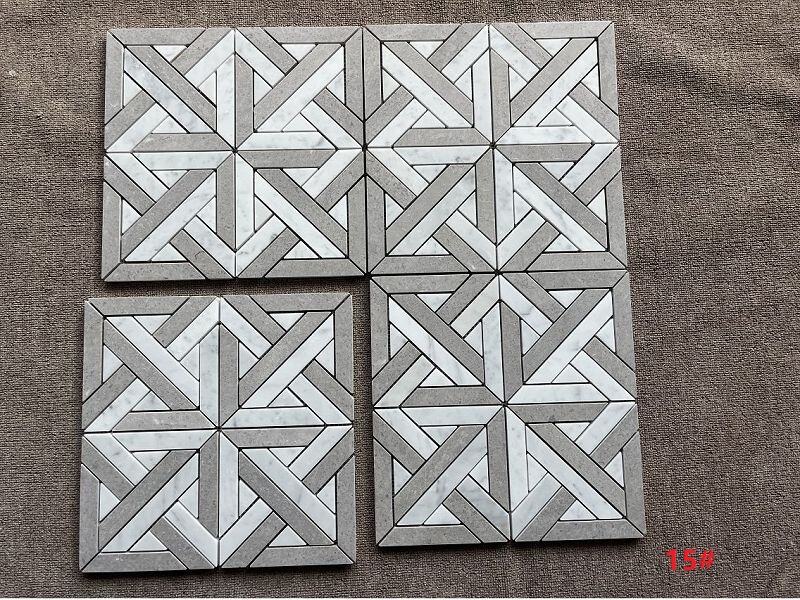
What Are Stone Mosaic Tiles? Materials, Types, and Key Characteristics
Stone mosaic tiles consist of small pieces of natural stone arranged into artistic patterns on mounting sheets for simplified installation. These decorative surfaces combine durability with aesthetic versatility, making them ideal for feature walls, floors, and wet areas in both residential and commercial projects.
Natural Stone Varieties Used in Mosaics
Common stone types include:
- Marble: Offers elegant veining but requires sealing for stain resistance
- Travertine: Provides warm, earthy tones with natural pitting that adds texture
- Granite: Delivers exceptional hardness (6–7 Mohs scale) for high-traffic zones
- Slate: Features cleft surfaces and rich color variations for rustic appeal
Each variety contributes unique visual and functional properties—most lasting 50+ years when properly maintained. Because all natural stone is inherently porous, sealing is essential to prevent moisture absorption and staining, especially in bathrooms, kitchens, or pool surrounds.
Common Formats and Mesh-Backed vs. Paper-Backed Installation Options
Manufacturers mount stone mosaics in two primary formats:
- Mesh-backed tiles: Fiberglass mesh allows immediate adhesive contact and visibility during placement—ideal for large-scale or complex patterns
- Paper-faced tiles: Front-mounted paper protects delicate stone surfaces and is removed after setting using water-soluble adhesives
Mesh-backed systems support up to 30% faster installation on expansive projects, while paper-faced options better preserve alignment in intricate, hand-laid designs. Regardless of format, success depends on substrate flatness (<3 mm variation over 3 m) and using a modified thinset mortar rated for natural stone—per ANSI A118.4 and TCNA Handbook guidelines.
Design Applications of Stone Mosaic Tiles Across Spaces
Elevating Bathrooms and Wet Areas with Texture and Durability
Stone mosaic tiles work really well in areas where water is always around, think showers, steam rooms, those poolside walkways. The way these stones are naturally split, their rough edges after tumbling, or the little pebbles that make up some designs all help prevent slips and falls. Plus they don't warp or bend even when exposed to lots of moisture over time, so they last much longer than many other options. Interior designers love using things like tumbled travertine or rough slate surfaces because they create that earthy, calming atmosphere people associate with spas. Works especially nicely with color schemes featuring beiges, soft greys, and ivories alongside some warm wooden elements for contrast. What makes stone different from regular ceramic tiles? Well, stone holds heat better and has those beautiful variations in color that give any space character. And despite looking fancy, these tiles actually hold up pretty well against daily wear and tear without needing special care.
Accent Walls, Backsplashes, and Feature Floors in Hospitality and Retail
Beyond residential use, stone mosaics elevate commercial interiors through high-impact focal points:
- Accent Walls: Full-height installations in hotel lobbies or boutique entrances—often in herringbone, linear match, or custom geometric layouts
- Backsplashes: Durable, non-porous surfaces in restaurant kitchens and retail service counters, where resistance to grease, heat, and cleaning agents is critical
- Feature Floors: Entryway or corridor mosaics incorporating mixed materials (e.g., marble with brass or stainless steel inlays), engineered to withstand heavy foot traffic while projecting refined craftsmanship
When it comes to hotel and restaurant spaces, designers often turn to abstract stone layouts or stones that gradually shift in tone to create something that looks artistic but still works for daily operations. These elements help reinforce what makes each brand unique while keeping everything functional. For stores wanting to make a statement, dark colored mosaics with matching grout lines can really stand out against lighter backgrounds. On the flip side, bigger stone pieces like those 12 by 12 inch modular sheets cut down on how many grout lines there are in areas where people walk around a lot. Fewer grout lines mean less time spent cleaning up after guests, plus the space just looks cleaner overall without all those little breaks between tiles.
Installation Best Practices for Stone Mosaic Tiles
Proper installation ensures longevity and aesthetics for stone mosaic tiles—starting with meticulous substrate preparation and ending with precision grouting.
Substrate Preparation and Adhesive Selection for Natural Stone
Start with a clean, level surface free from dust, oils, and that flaky stuff called laitance. Concrete that's been properly smoothed or cured works best for this job. If the floor isn't quite right, consider using some sort of self leveling stuff to get it within about 3mm flatness. When picking out mortar for natural stone tiles, go for something polymer modified like what Laticrete makes or those Mapei products everyone talks about. Follow whatever trowel size the tile company suggests usually around quarter inch notched will do the trick. Getting complete coverage under each tile matters a lot because gaps can lead to those annoying hollow sounds later on. Let everything dry according to what the package says before adding grout. Most folks find waiting between 24 to 48 hours does the trick, though weather conditions definitely play a role in how long things actually take.
Grouting Techniques to Preserve Color Integrity and Prevent Staining
When applying grout, hold the rubber float at around 45 degrees and press the material firmly into each joint. Get rid of any extra grout right away using a damp cellulose sponge (never soak it) and rinse often so no haze builds up on the surface. If working with polished or honed stone surfaces, go for non-acidic options with low VOC content such as Spectralock Pro Premium. These types help keep etching and color changes at bay. Once everything has cured completely, usually takes about three days, apply a penetrating silane based sealer to those grout lines. This step really matters for areas that get wet regularly since it stops water from getting inside and causing stains later on. And remember, steer clear of sanded grout when dealing with shiny stones unless the gaps between tiles are wider than 1/8 inch. The sand particles can scratch these sensitive surfaces pretty easily if not careful.
Maintaining and Protecting Stone Mosaic Tile Installations
Taking good care of stone mosaic tiles keeps them looking great for much longer. Start by sweeping daily to get rid of gritty stuff that scratches surfaces. Once a week, clean with something gentle made specifically for stone, like StoneTech All Purpose Cleaner or MB Stone Care Daily Cleaner. These help prevent those ugly etch marks and build up over time. Stay away from household cleaners such as vinegar, lemon juice, or bleach since they eat away at softer stones like marble and travertine, plus they'll make shiny finishes look dull. If there are oil spots or other stubborn stains, try using a poultice product according to what the package says, but don't go crazy scrubbing. Remember to reseal both the tiles and grout about once every year and a half, maybe even more often if the area gets wet a lot or sees heavy foot traffic, think showers and front door areas. Putting down walk off mats near entrances and adding felt pads under furniture really helps cut down on wear and tear. With regular maintenance like this, stone mosaic floors stay strong and beautiful for many years, turning simple cleaning routines into smart investments that protect their value.
FAQ Section
What are stone mosaic tiles?
Stone mosaic tiles consist of small pieces of natural stone arranged in artistic patterns to create beautiful surfaces that are durable and versatile.
What types of stone are used for mosaics?
Common stones used include marble, travertine, granite, and slate, each providing unique aesthetics and functional properties.
How are stone mosaics installed?
Stone mosaics can be installed using mesh-backed or paper-faced tiles, depending on the design complexity and installation speed requirements. Proper substrate preparation and adhesive selection are crucial for successful installation.
Where can stone mosaic tiles be used?
These tiles are ideal for use in bathrooms, accent walls, backsplashes, and feature floors in both residential and commercial spaces due to their texture, durability, and aesthetic appeal.
How do you maintain stone mosaic tiles?
Regular sweeping and gentle cleaning with specified stone cleaners, along with sealing and protecting, ensure long-lasting beauty. Avoid acidic household cleaners that can damage the stone.