

Thermal Performance: How a Marble Bathtub Holds Heat Compared with Acrylic and Cast Iron
Thermal Mass vs. Insulation: What Really Keeps Bath Water Warm
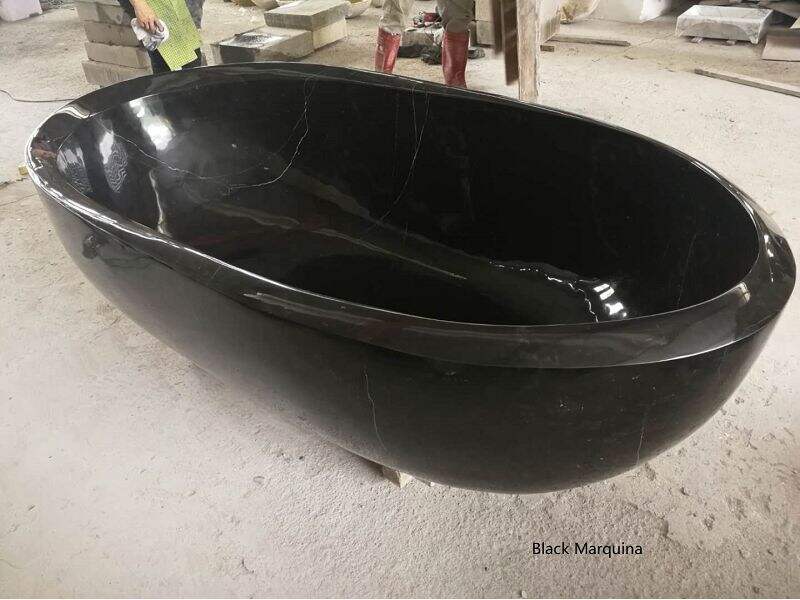
Natural marble is dense, roughly 2.6–2.8 g/cm³, so a solid marble tub carries a lot of thermal mass. That works in two directions. When you first fill it, the cold stone draws heat out of the water, which is why many owners run a little hot water through the tub or fill it slightly warmer at the start. Once the stone has warmed up, that mass gives the heat back slowly and the bath stays comfortable for a long soak. Acrylic behaves differently: it is a thin plastic shell and a fairly good insulator, so it feels warm to the touch straight away, but it has very little mass to store heat. In practice a pre-warmed marble tub and a well-insulated acrylic tub can both keep water warm for a normal bath; marble's advantage is the steady, solid feel rather than a dramatic difference in temperature.
Cast Iron: Heavy, Enamelled and Slow to Cool
Enamelled cast iron is the traditional reference for heat retention. The metal itself conducts heat well, but a cast-iron tub is heavy and, like stone, has to be warmed by the water first; after that its mass and the enamel coating keep the bath warm for a long time. Exact results depend on wall thickness, room temperature, the water volume and whether the tub is freestanding or built in, so manufacturers' figures are only a rough guide. For buyers, the useful comparison is simple: cast iron and solid marble both feel substantial and hold warmth once heated, while acrylic warms up fastest but stores the least heat.
Durability and Structure: Long-Term Performance of Marble, Acrylic and Cast Iron Bathtubs
Solid Marble: Impact Resistance, Cracking Risk and Support
A bathtub carved from a single block of natural marble is dense and hard-wearing, but natural veins and fissures are weaker planes in the stone, so a heavy dropped object or a sharp knock on the rim can chip or crack it. Each block is inspected before carving, and good fabricators reinforce visible fissures from the back. Avoid pouring boiling water into a cold tub, because sudden temperature changes put stress on the stone. The other key point is the floor: a solid marble tub commonly weighs several hundred kilograms before it is filled, so the subfloor must be checked and, if necessary, reinforced so the load is spread evenly.
Acrylic's Flexibility vs. Cast Iron's Rigidity: Trade-Offs in Load Handling and Installation Stress
The lightweight nature of acrylic makes it easier to install, though this same quality means we often need extra support structures to keep things from sagging when water sits on top all day long. Because acrylic is basically a type of plastic, it can bend just enough to handle small shifts in flooring over time, which actually works out pretty well sometimes. But watch out those who don't give proper support will end up with warped surfaces that never go back to normal shape again. Now cast iron tells a different story altogether. This stuff is rock solid and can hold hundreds of pounds without so much as a dent, but boy does it weigh a ton! Most older homes aren't built to handle that kind of weight without some serious upgrades first. And let's not forget about how brittle it gets once cooled down after manufacturing. Drop one during shipping or mishandle it somehow and good luck getting rid of those pesky chips in the finish. So what's the bottom line? For quick fixes or second floors where weight matters, go with acrylic. But if budget isn't an issue and we're talking about main bathrooms on the ground floor with strong foundations already in place, cast iron remains king despite all the headaches.
Maintenance, Surface Longevity, and Aesthetic Consistency Across Materials
Etching, Chipping, and Haze: Material-Specific Vulnerabilities to Cleaners, UV, and Abrasion
Different materials come with their own set of problems that need special attention. Take marble bathtubs for instance they get ruined pretty quickly by acidic stuff like vinegar or lemon juice based cleaners. The surface just loses its shine almost instantly after contact. Acrylic tubs are better at resisting those chemicals, but they have other issues. They crack when something heavy falls on them, and over time they start turning yellow if left in sunlight too long. Cast iron tubs handle scratches really well, which is great, but watch out for impacts they chip easily. And don't forget to dry them off right away or else rust will begin to form on the surface. Keeping these things in mind makes all the difference in maintaining any kind of bathtub properly.
- Marble: pH-neutral cleaners only; regular sealing to resist hard-water haze
- Acrylic: Non-abrasive pads; UV-filtering window treatments where possible
- Cast iron: Prompt drying after use; enamel touch-up kits for chip repair
Long-Term Appearance: How Each Finish Ages
The three materials age in different ways. Enamelled cast iron keeps its gloss for many years as long as the enamel is not chipped. Acrylic stays reasonably bright but gradually collects fine scratches, and cheaper grades can yellow in strong sunlight. Polished marble shows wear soonest if it is cleaned with acidic products: etching dulls the surface and softens the look of the veins. A honed finish hides light wear better, and a polished marble tub can always be re-polished by a stone professional, which is something neither acrylic nor enamel allows. With pH-neutral cleaning and regular sealing, a marble bathtub keeps its character for decades.
FAQ
Are marble bathtubs better at retaining heat than acrylic ones?
A pre-warmed solid marble tub holds heat well thanks to its thermal mass, although the cold stone absorbs some heat when the tub is first filled. Acrylic warms up faster but stores less heat.
How does cast iron compare with marble and acrylic for heat retention?
Enamelled cast iron is the traditional benchmark: like marble, it needs to warm up first, then its mass keeps the bath warm for a long time.
What are the structural risks associated with marble bathtubs?
Solid marble tubs can chip or crack from heavy impacts, natural fissures or sudden temperature changes, and they need a floor that can carry their weight.
How should marble bathtubs be maintained to prevent damage?
Marble bathtubs should be cleaned with pH-neutral cleaners and regularly sealed to prevent damage and maintain shine.